Used Lambo Gear: Smart Buying Guide
Choosing used lambo gear with confidence
Buying lambo gear can feel exciting and intimidating at the same time. Lamborghini parts sit at the intersection of performance engineering, design, rarity, and emotion, so the stakes are higher than a routine replacement purchase. Whether you are a private owner restoring a weekend car, a shop sourcing parts for a client, or a reseller building inventory, the goal is the same: find parts that match the vehicle, support the repair, and make financial sense.
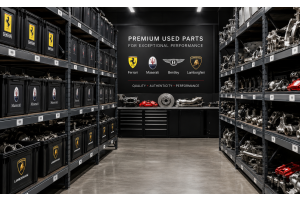
The phrase lambo gear can mean different things depending on the buyer. For some, it means drivetrain components, suspension parts, wheels, brake hardware, lighting, body panels, or interior trim. For others, it simply means authentic used Lamborghini parts that help preserve the character of the car without paying new-part prices. A smart search starts by narrowing the part category, model, year, side, finish, and any identifying numbers. You can begin broadly through the used luxury-car parts categories, then refine your search toward the specific component you need.
Why fitment comes first
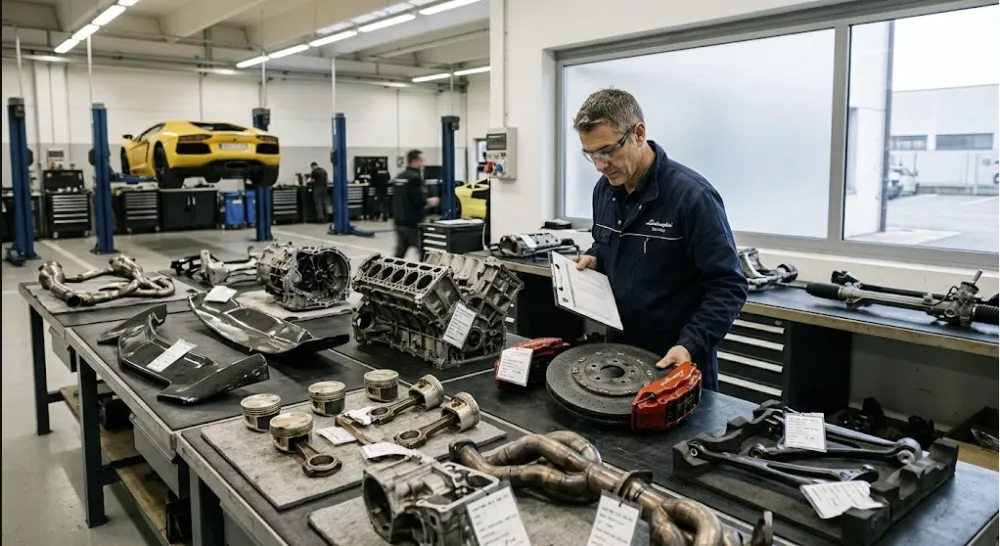
Fitment is the first serious checkpoint when shopping for lambo gear. A part may look visually similar across model years, but small differences in mounting points, electronics, trim finish, sensors, or calibration can make it wrong for the vehicle. This is especially true for exotic cars, where limited production runs and mid-cycle updates can create part variations that are easy to overlook. Before buying, gather the vehicle’s year, model, trim, VIN where appropriate, original part number, and any photos of the existing component.
For B2B buyers, fitment matters for another reason: time. A repair shop or body shop may be managing customer expectations, insurance timelines, and technician scheduling. Ordering the wrong lambo gear can delay the bay, frustrate the owner, and reduce margin. A dismantler, dealer, or specialty supplier may be able to help verify compatibility if you provide clear reference information. Even then, the buyer should compare photos, connector styles, hardware points, and visible wear before making the final call.
Check model and year details
Lamborghini models can share design language without sharing identical components. A Huracán part, for example, should not be assumed to fit an Aventador, and even within the same model family, year and variant can matter. When browsing Lamborghini used parts, treat every listing as a specific fitment opportunity rather than a generic match. The more precise your information, the easier it becomes to identify the right part quickly.
Evaluating condition before you buy
Used exotic parts require a different mindset than commodity replacements. Condition is not just about whether the item works; it is about whether the part supports the quality level expected from a luxury performance vehicle. With lambo gear, cosmetic condition, structural integrity, electrical function, mounting-point quality, and previous repair evidence all matter. A small scrape on a hidden bracket may be irrelevant, while a cracked tab on a headlight or damaged carbon-fiber edge can be a major issue. Photos should be reviewed closely and, when possible, compared against the part currently on the car. Look for consistent angles, clear close-ups, and images that show the back side, connectors, clips, labels, and any imperfections. If a listing does not answer an important question, it is better to ask before ordering than to discover a mismatch after delivery. For high-value components, the best buyers think like inspectors: they do not just ask “is it available?” but “is it the right part, in the right condition, for this exact job?” That discipline is what separates a smooth repair from an expensive delay. It also helps B2B buyers protect their reputation because the final customer rarely cares how hard the part was to find; they care that the finished vehicle feels correct.
Look closely at wear points
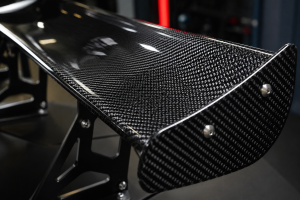
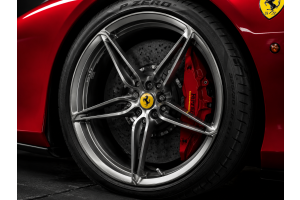
Different part types wear in different ways. Wheels may show curb rash, bends, cracks, or finish damage. Carbon-fiber pieces can have clear-coat fading, chips, or stress marks around mounting points. Interior parts may show leather wear, sticky buttons, broken clips, or sun exposure. Mechanical lambo gear should be reviewed for signs of impact, corrosion, leaks, or incomplete hardware.
Balancing value and originality
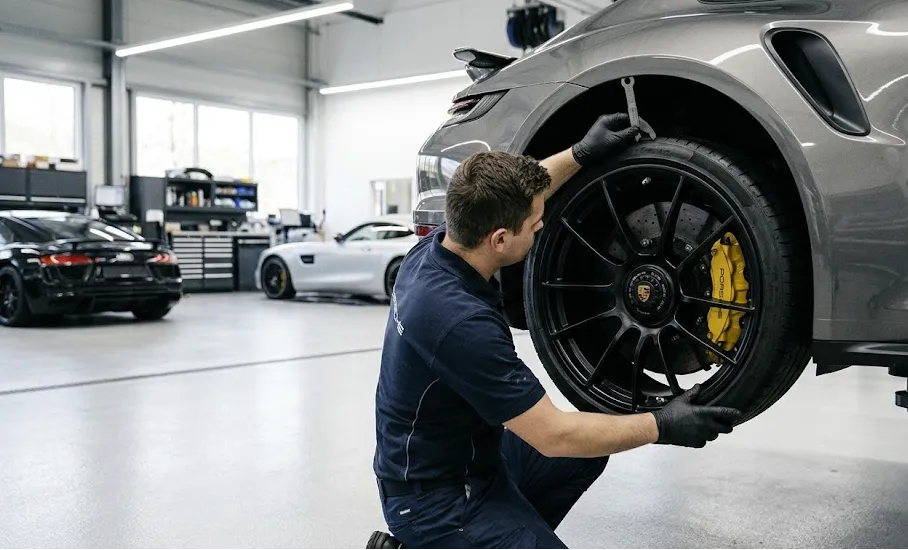
One reason buyers look for used lambo gear is value. New parts for luxury performance cars can be expensive, and some items may be hard to source quickly. Used parts can help keep a repair moving while also preserving an original-equipment look and feel. That matters for owners who care about authenticity, but it also matters for businesses that want a cost-effective solution without compromising presentation.
Value, however, should not mean buying the cheapest available part without context. A lower-priced panel that needs refinishing, missing clips, and extra labor may cost more in the end than a cleaner part with a higher upfront price. A used wheel that looks acceptable in photos but is bent may create balancing issues and customer dissatisfaction. A control module without verified compatibility may become an expensive experiment. The best value is usually the part that reduces total risk: correct fitment, reasonable condition, clear photos, and a seller willing to answer specific questions.
Where dismantled vehicles help buyers
Dismantled luxury vehicles can be useful because they give context to the parts being sold. When parts are removed from a known vehicle, buyers may have a better chance of understanding model, year, color, trim, and related components. This can be especially helpful when sourcing lambo gear for collision repair, interior replacement, or restoration work where several matching parts may be needed at once.
Browsing dismantled vehicles can also inspire a more complete parts strategy. Instead of sourcing one item at a time, a shop may identify related pieces from the same donor vehicle, such as brackets, fasteners, liners, modules, trim, or adjacent body components. This approach can save time when the repair is complex. It can also reduce the risk of missing small but important pieces that are easy to forget until reassembly begins.
Think beyond the obvious part
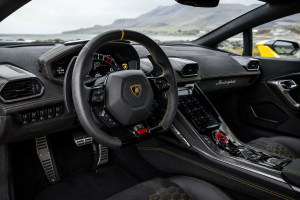
A bumper repair may require grilles, sensors, brackets, undertrays, clips, and lighting pieces. A wheel replacement may also prompt a closer look at center caps, tire-pressure sensors, brake clearance, and finish matching. An interior repair may involve switches, trim panels, vents, leather pieces, and hardware. When planning a purchase, treat lambo gear as part of a system rather than a standalone object.
Shopping for specialty parts online
Online sourcing gives buyers access to inventory beyond their local market. That is especially useful for exotic cars because the right part may not be available nearby. A targeted search can help you move faster; for example, you can search for lambo gear directly, then compare listings by part type, condition, and vehicle relevance. If the search is too broad, use more specific terms such as “Lamborghini wheel,” “Lamborghini carbon fiber,” “Huracán headlight,” or the exact part number.
For buyers comparing multiple exotic brands, it may also be helpful to understand how sourcing differs across marques. Ferrari, Maserati, Bentley, and Lamborghini parts each have their own availability patterns and fitment details. You can explore related brand inventory through Ferrari used parts, Maserati used parts, and Bentley used parts, but stay focused on the specific vehicle in front of you. Cross-brand browsing can provide useful pricing context, yet it should never replace exact compatibility checks.
Questions to ask before ordering
Before purchasing lambo gear, ask practical questions that reduce uncertainty. Does the part match the exact model and year? Are there visible defects? Are all mounting points intact? Are connectors included and undamaged? Does the part require refinishing, coding, programming, or additional hardware? Are there related components available if the repair scope expands?
Those questions are useful for individual buyers, but they are critical for professional buyers. A repair facility may need to quote accurately, order efficiently, and avoid customer disputes. A reseller may need to understand marketability and condition before committing capital. A performance or restoration specialist may need parts that support both function and presentation. In all cases, the right information before the sale is worth more than a discount after a problem appears.
Making the final decision
The best approach to lambo gear is patient, precise, and purpose-driven. Start with the vehicle and the repair goal. Confirm fitment. Review condition. Consider total cost, including labor, finishing, missing hardware, and possible delays. Then choose the part that offers the strongest balance of authenticity, usability, and value.
Used luxury-car parts can help keep remarkable vehicles on the road, in collections, and in customer hands. For Lamborghini owners and the businesses that serve them, the right used component can be both a practical solution and a satisfying find. When the details are checked carefully, lambo gear becomes more than a search term; it becomes a smarter way to maintain, restore, and enjoy a high-performance machine. For part-specific questions or fitment support, use the contact page and provide as much vehicle and part detail as possible.