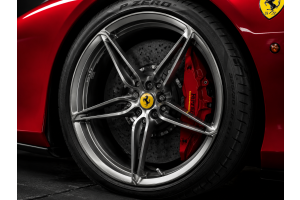
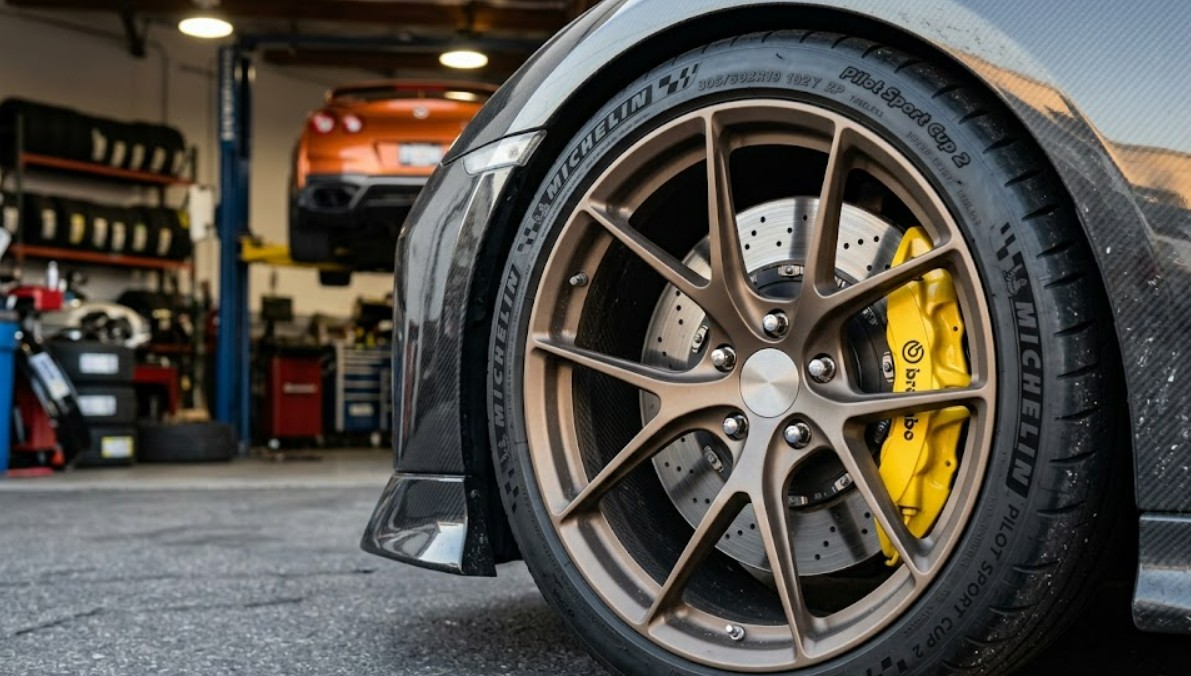
Close-up of a sports car wheel suitable for a tuning article
Car tuning parts for luxury performance

What car tuning parts can change

For owners, workshops, restorers, and specialty resellers, car tuning parts are about more than making a vehicle look different. The right components can refine handling, sharpen throttle response, reduce weight, improve cooling, or help a luxury car feel more personal without losing the character that made it desirable in the first place.

In the luxury and exotic segment, tuning usually works best when it is selective. A Ferrari, Maserati, Lamborghini, Bentley, or similar vehicle already starts with a highly engineered platform, so every change should have a purpose. Some buyers want visual impact. Others want track-day durability, a more responsive street setup, or replacement performance parts that keep a car exciting without overbuilding it. That is why sourcing matters. Used luxury-car parts can be a smart route when buyers want genuine fitment, premium materials, and access to components that may be expensive or difficult to find new.

Luxury car parked in a clean garage for tuning inspiration

Choosing the right direction

The best tuning projects start with a clear goal. Before searching for car tuning parts, decide whether the priority is appearance, performance, comfort, originality, or resale confidence. A weekend cruiser needs a different parts strategy than a car prepared for frequent spirited driving, and a shop sourcing components for a client may need to balance budget, availability, and installation time.

Performance upgrades

Performance-focused car tuning parts often include intake components, exhaust sections, cooling parts, suspension pieces, brake hardware, engine covers, lightweight wheels, and drivetrain-adjacent components. With high-end vehicles, small improvements can make a noticeable difference because the base cars are already responsive. A lighter wheel can affect steering feel, braking response, and ride quality. A better cooling component can help protect consistency under harder use. A carefully selected exhaust part can change the experience of the car without turning it into something harsh or impractical.

Shoppers should pay close attention to compatibility. Model year, engine variant, trim, market, and even production changes can affect whether a part fits correctly. When browsing broader inventory, a starting point like the parts categories page can help buyers think in systems instead of isolated upgrades.

Exterior and aero parts

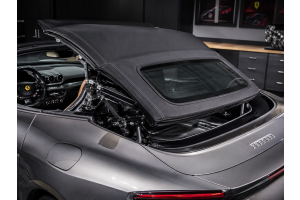
Exterior tuning is where many luxury-car projects become visible. Splitters, diffusers, carbon fiber panels, grilles, side skirts, mirrors, vents, spoilers, and wheels can shift the entire personality of a car. For some builds, the goal is factory-plus refinement: a more aggressive look that still feels believable on the vehicle. For others, the goal is a bolder presence that stands out at events, in a showroom, or in social media content.

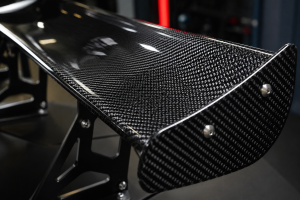
Used exterior car tuning parts can be especially appealing when the original materials are premium. Carbon fiber, forged aluminum, and model-specific trim pieces are often costly when purchased new, and availability may narrow as vehicles age. Buyers looking for search-based options can use a query such as car tuning parts to explore matching inventory without relying on unrelated URLs.
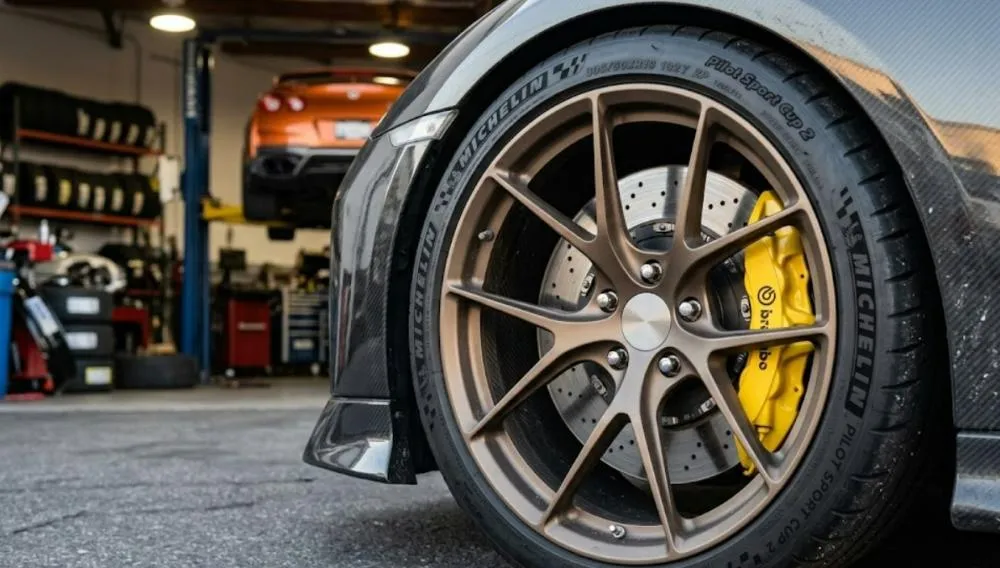
Close-up of a sports car wheel suitable for a tuning article

Luxury brands and tuning expectations

Different luxury brands invite different tuning decisions. A Ferrari project often benefits from restraint, because the driving character and design language are already central to the appeal. For Ferrari-related sourcing, the Ferrari parts page is a relevant internal starting point. Maserati buyers may focus on elegance, sound, and grand-touring comfort, making the Maserati parts section useful for brand-specific browsing.

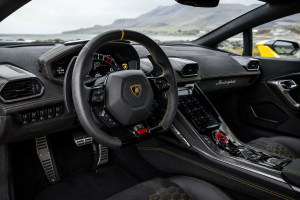
Lamborghini projects often lean into drama. Wheels, carbon fiber exterior pieces, aerodynamic elements, interior trim, and exhaust-related parts can support a sharper visual and emotional experience. Buyers can begin with the Lamborghini parts page when searching by brand. Bentley tuning, on the other hand, often sits at the intersection of luxury and presence. A Bentley build might focus on wheels, trim, lighting, body components, or comfort-related replacements that maintain the upscale feel of the car. For that, the Bentley parts page is the natural place to start.

Across all of these brands, car tuning parts should respect the identity of the vehicle. A successful upgrade does not have to shout. Sometimes the most effective choice is a cleaner panel, a better wheel fitment, a refreshed interior component, or a performance part that makes the vehicle feel tighter and more composed. For B2B buyers, that same logic matters when advising customers. The part should match the car, the buyer, and the use case.

Why used luxury parts make sense

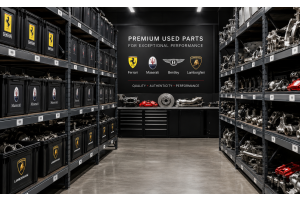
Used components can play a practical role in tuning because the luxury-car parts market is not always simple. Some parts are limited, discontinued, backordered, or priced at a level that changes the economics of a project. Certified used parts can give buyers another route, especially when they want original fitment or a premium component that came from a comparable vehicle.

This is particularly relevant for shops and dealers. A B2B buyer may need to complete a customer build, replace a damaged part, prepare a vehicle for resale, or source a hard-to-find component without waiting through long supply chains. In those situations, car tuning parts are not just accessories. They are part of a workflow. They affect quote accuracy, repair timing, customer satisfaction, and margin. For individual owners, the value is more emotional but still practical: the right part can keep a dream car moving toward the vision they had for it.

Inventory from dismantled vehicles can also help buyers understand where parts may originate and why availability changes over time. The dismantled vehicles page is relevant for shoppers who want to explore vehicles being parted out and consider compatible components.

Fitment condition and buying confidence

When evaluating car tuning parts, fitment should come before excitement. Confirm the exact model, production year, body style, engine, side of vehicle, mounting points, sensor requirements, and finish. A part that looks right in photos may still require careful verification before purchase, especially with exotic and luxury vehicles where small variations can matter.

Condition matters too. Cosmetic parts should be checked for cracks, tabs, mounting damage, deep scratches, fading, or prior repairs. Mechanical and performance-related parts should be reviewed for wear, heat exposure, corrosion, missing hardware, or signs that the component may need service before installation. For shops, documenting these checks helps protect the customer relationship. For individual buyers, it reduces the chance of surprises during installation.

It is also worth thinking about the full system around the part. Upgraded wheels may require attention to tire sizing and clearance. Brake parts may need compatible hardware. Exterior pieces may need paint, clear coat, alignment, or professional fitting. Interior parts may involve electronics, airbags, stitching, trim color, or model-specific clips. The best tuning plan looks beyond the single item and considers the finished result.
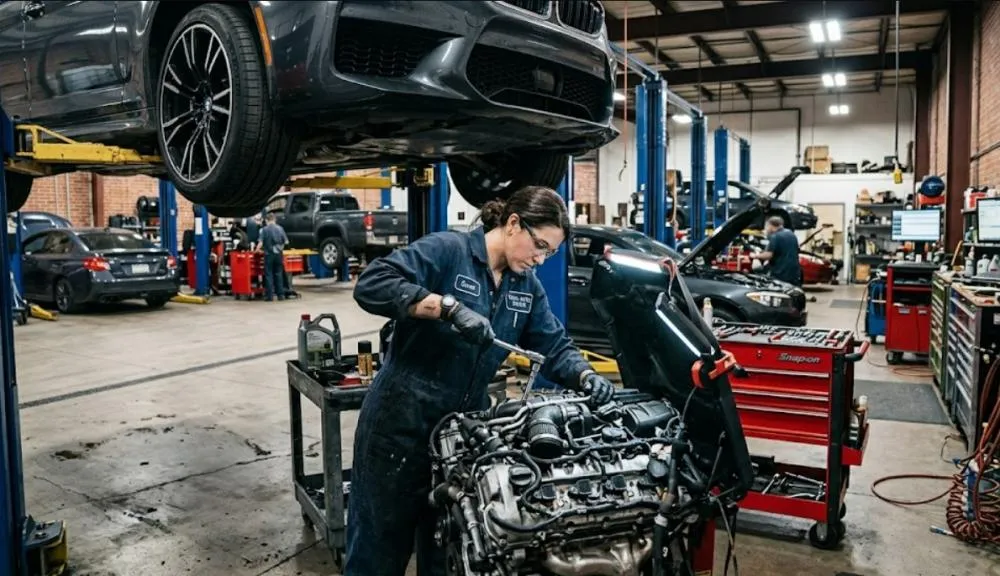
Mechanic working on a car in a professional workshop

Planning a smarter tuning project

A smart tuning project has a sequence. Start with the vehicle’s current condition, then define the desired outcome, then source the most important car tuning parts first. This helps avoid buying attractive pieces that do not fit the final build. It also helps keep the budget focused on parts that change the driving experience, the visual presence, or the long-term usability of the car.

For aspirational buyers, tuning is part of the ownership story. It is the moment when a high-end car becomes more personal. For professional buyers, it is part of delivering a result that feels premium, credible, and well matched to the vehicle. In both cases, the best projects usually come from careful sourcing rather than impulse buying. A luxury vehicle deserves parts that feel intentional.

Whether the goal is a subtle factory-plus look, a more aggressive performance character, or a carefully refreshed vehicle for resale, car tuning parts should support the car rather than distract from it. Buyers who need help locating suitable components can browse by category, search by brand, review dismantled vehicles, or reach out through the contact page for assistance with part needs and compatibility questions.

Car tuning parts for luxury performance

Close-up of a sports car wheel suitable for a tuning article
Car tuning parts for luxury performance

What car tuning parts can change

For owners, workshops, restorers, and specialty resellers, car tuning parts are about more than making a vehicle look different. The right components can refine handling, sharpen throttle response, reduce weight, improve cooling, or help a luxury car feel more personal without losing the character that made it desirable in the first place.

In the luxury and exotic segment, tuning usually works best when it is selective. A Ferrari, Maserati, Lamborghini, Bentley, or similar vehicle already starts with a highly engineered platform, so every change should have a purpose. Some buyers want visual impact. Others want track-day durability, a more responsive street setup, or replacement performance parts that keep a car exciting without overbuilding it. That is why sourcing matters. Used luxury-car parts can be a smart route when buyers want genuine fitment, premium materials, and access to components that may be expensive or difficult to find new.

Luxury car parked in a clean garage for tuning inspiration

Choosing the right direction

The best tuning projects start with a clear goal. Before searching for car tuning parts, decide whether the priority is appearance, performance, comfort, originality, or resale confidence. A weekend cruiser needs a different parts strategy than a car prepared for frequent spirited driving, and a shop sourcing components for a client may need to balance budget, availability, and installation time.

Performance upgrades

Performance-focused car tuning parts often include intake components, exhaust sections, cooling parts, suspension pieces, brake hardware, engine covers, lightweight wheels, and drivetrain-adjacent components. With high-end vehicles, small improvements can make a noticeable difference because the base cars are already responsive. A lighter wheel can affect steering feel, braking response, and ride quality. A better cooling component can help protect consistency under harder use. A carefully selected exhaust part can change the experience of the car without turning it into something harsh or impractical.

Shoppers should pay close attention to compatibility. Model year, engine variant, trim, market, and even production changes can affect whether a part fits correctly. When browsing broader inventory, a starting point like the parts categories page can help buyers think in systems instead of isolated upgrades.

Exterior and aero parts

Exterior tuning is where many luxury-car projects become visible. Splitters, diffusers, carbon fiber panels, grilles, side skirts, mirrors, vents, spoilers, and wheels can shift the entire personality of a car. For some builds, the goal is factory-plus refinement: a more aggressive look that still feels believable on the vehicle. For others, the goal is a bolder presence that stands out at events, in a showroom, or in social media content.

Used exterior car tuning parts can be especially appealing when the original materials are premium. Carbon fiber, forged aluminum, and model-specific trim pieces are often costly when purchased new, and availability may narrow as vehicles age. Buyers looking for search-based options can use a query such as car tuning parts to explore matching inventory without relying on unrelated URLs.

Close-up of a sports car wheel suitable for a tuning article

Luxury brands and tuning expectations

Different luxury brands invite different tuning decisions. A Ferrari project often benefits from restraint, because the driving character and design language are already central to the appeal. For Ferrari-related sourcing, the Ferrari parts page is a relevant internal starting point. Maserati buyers may focus on elegance, sound, and grand-touring comfort, making the Maserati parts section useful for brand-specific browsing.

Lamborghini projects often lean into drama. Wheels, carbon fiber exterior pieces, aerodynamic elements, interior trim, and exhaust-related parts can support a sharper visual and emotional experience. Buyers can begin with the Lamborghini parts page when searching by brand. Bentley tuning, on the other hand, often sits at the intersection of luxury and presence. A Bentley build might focus on wheels, trim, lighting, body components, or comfort-related replacements that maintain the upscale feel of the car. For that, the Bentley parts page is the natural place to start.

Across all of these brands, car tuning parts should respect the identity of the vehicle. A successful upgrade does not have to shout. Sometimes the most effective choice is a cleaner panel, a better wheel fitment, a refreshed interior component, or a performance part that makes the vehicle feel tighter and more composed. For B2B buyers, that same logic matters when advising customers. The part should match the car, the buyer, and the use case.

Why used luxury parts make sense

Used components can play a practical role in tuning because the luxury-car parts market is not always simple. Some parts are limited, discontinued, backordered, or priced at a level that changes the economics of a project. Certified used parts can give buyers another route, especially when they want original fitment or a premium component that came from a comparable vehicle.

This is particularly relevant for shops and dealers. A B2B buyer may need to complete a customer build, replace a damaged part, prepare a vehicle for resale, or source a hard-to-find component without waiting through long supply chains. In those situations, car tuning parts are not just accessories. They are part of a workflow. They affect quote accuracy, repair timing, customer satisfaction, and margin. For individual owners, the value is more emotional but still practical: the right part can keep a dream car moving toward the vision they had for it.

Inventory from dismantled vehicles can also help buyers understand where parts may originate and why availability changes over time. The dismantled vehicles page is relevant for shoppers who want to explore vehicles being parted out and consider compatible components.

Fitment condition and buying confidence

When evaluating car tuning parts, fitment should come before excitement. Confirm the exact model, production year, body style, engine, side of vehicle, mounting points, sensor requirements, and finish. A part that looks right in photos may still require careful verification before purchase, especially with exotic and luxury vehicles where small variations can matter.

Condition matters too. Cosmetic parts should be checked for cracks, tabs, mounting damage, deep scratches, fading, or prior repairs. Mechanical and performance-related parts should be reviewed for wear, heat exposure, corrosion, missing hardware, or signs that the component may need service before installation. For shops, documenting these checks helps protect the customer relationship. For individual buyers, it reduces the chance of surprises during installation.

It is also worth thinking about the full system around the part. Upgraded wheels may require attention to tire sizing and clearance. Brake parts may need compatible hardware. Exterior pieces may need paint, clear coat, alignment, or professional fitting. Interior parts may involve electronics, airbags, stitching, trim color, or model-specific clips. The best tuning plan looks beyond the single item and considers the finished result.

Mechanic working on a car in a professional workshop

Planning a smarter tuning project

A smart tuning project has a sequence. Start with the vehicle’s current condition, then define the desired outcome, then source the most important car tuning parts first. This helps avoid buying attractive pieces that do not fit the final build. It also helps keep the budget focused on parts that change the driving experience, the visual presence, or the long-term usability of the car.

For aspirational buyers, tuning is part of the ownership story. It is the moment when a high-end car becomes more personal. For professional buyers, it is part of delivering a result that feels premium, credible, and well matched to the vehicle. In both cases, the best projects usually come from careful sourcing rather than impulse buying. A luxury vehicle deserves parts that feel intentional.

Whether the goal is a subtle factory-plus look, a more aggressive performance character, or a carefully refreshed vehicle for resale, car tuning parts should support the car rather than distract from it. Buyers who need help locating suitable components can browse by category, search by brand, review dismantled vehicles, or reach out through the contact page for assistance with part needs and compatibility questions.

Previous Ferrari pistons: used performance parts guide
Next Used Lambo Gear: Smart Buying Guide
Comment(s)