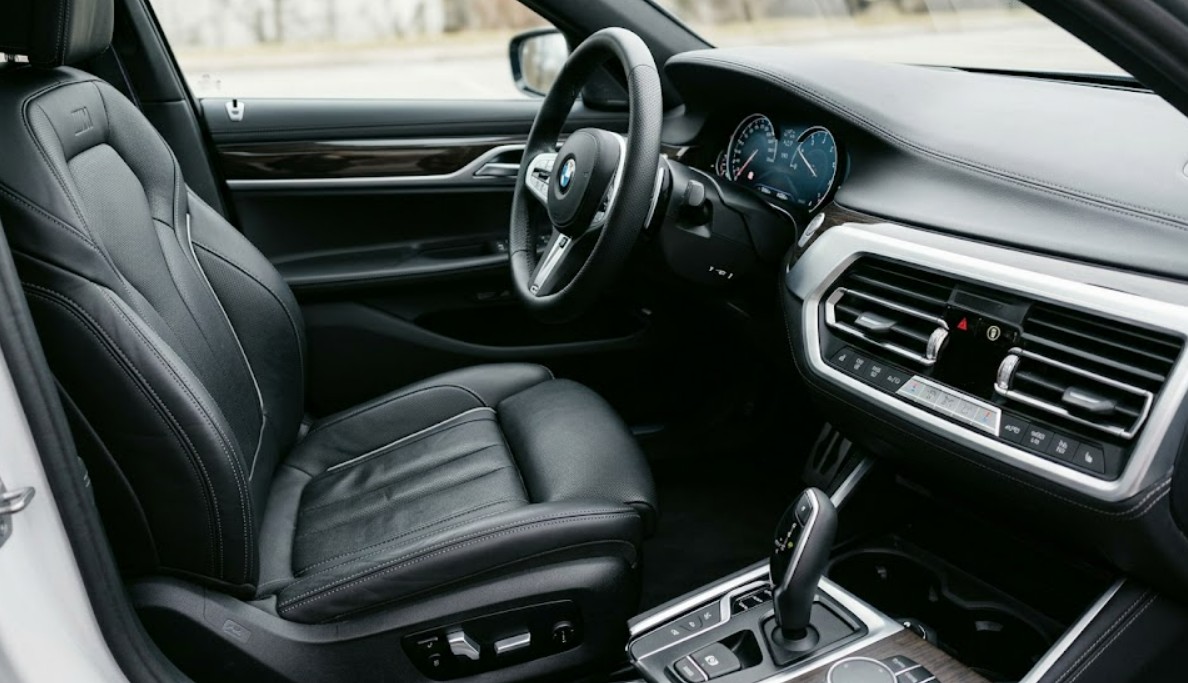
Close up of leather car seat and clean dashboard details
Restoring car interior for luxury vehicles

Why restoring car interior matters

Restoring car interior is about more than making a cabin look clean again. In a luxury vehicle, the interior is part of the driving experience: the touch of the steering wheel, the way a carbon trim panel catches the light, the feel of a properly fitted seat, and the quiet confidence of controls that look and function as intended.

For private owners, restoring car interior details can help bring back the character that made the vehicle special in the first place. For workshops, body shops, resellers, and specialty repair businesses, the process is also practical. A cabin with worn buttons, cracked trim, sagging panels, damaged leather, missing vents, or mismatched components can make an otherwise excellent vehicle feel neglected. That matters when the car is being prepared for resale, inspected by a client, or returned after a repair. In many cases, using certified used luxury-car parts can be a smart route because original-style components often fit better visually and physically than generic replacements. The goal is not to over-modernize the cabin. The goal is to preserve the atmosphere, design language, and premium feel that the manufacturer intended.

Luxury car interior with leather seats and dashboard trim

Common interior parts worth replacing

When restoring car interior surfaces, it helps to think in zones. The first zone is what the driver touches every time: steering wheel, switches, buttons, console controls, shifter surround, door pulls, and seat controls. These parts collect the most wear and can quickly make a cabin look tired. The second zone is what people see immediately: dashboard trim, center console trim, door panels, vents, instrument surrounds, and decorative inserts. The third zone is functional comfort: seats, seat rails, armrests, headrests, carpets, cargo panels, and storage covers.

Trim panels

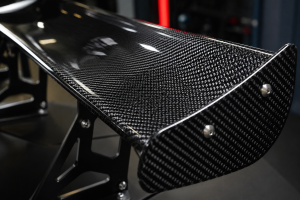
Trim panels are often the difference between a repair that looks acceptable and one that feels complete. Carbon fiber, wood, aluminum, piano black, and leather-wrapped trim can all age differently, especially in vehicles exposed to sun, heat, moisture, or frequent entry and exit. A single scratched console piece can stand out sharply against an otherwise elegant cabin.

When browsing replacement components, start broadly through used luxury-car part categories, then narrow by brand, finish, and placement. For searches related to interior accents, a targeted query such as interior trim can help surface relevant pieces without inventing a part number too early.

Seats and upholstery components

Seats deserve careful attention because they combine comfort, safety, electronics, and appearance. Restoring car interior seating may involve replacing a full seat assembly, a damaged seat back, a headrest, a control switch, a rail, or a trim cover rather than rebuilding everything from scratch. This is especially useful for luxury and exotic vehicles where matching grain, stitching, shape, and factory layout can matter as much as the condition itself.

Planning restoring car interior projects

Restoring car interior parts successfully starts with documentation. Before removing anything, photograph the cabin from several angles, then capture close-ups of the damaged components, fasteners, labels, electrical connectors, and surrounding panels. This is valuable for both DIY owners and professional buyers because it reduces guesswork later. A part that looks similar from the front may have a different mounting point, plug, sensor configuration, finish code, or production-year variation. Luxury vehicles can also vary by market, trim package, model year, and special edition, so visual matching should be supported by part numbers whenever possible.

Next, decide whether the project is cosmetic, functional, or both. A cosmetic project might involve replacing scuffed trim, worn buttons, cracked vents, faded kick panels, or damaged door cards. A functional project may involve switches, seat motors, latches, glovebox mechanisms, climate controls, or electronic modules. Many projects sit in the middle. For example, a center console may be scratched, but it may also contain buttons, wiring, cupholder mechanisms, and mounting brackets. That is why buyers should inspect photos carefully, ask questions when needed, and compare the removed part with the replacement before installation.

For sourcing by vehicle origin, dismantled luxury vehicles can be a helpful reference point because parts removed from donor vehicles may offer context around model, year, and configuration.
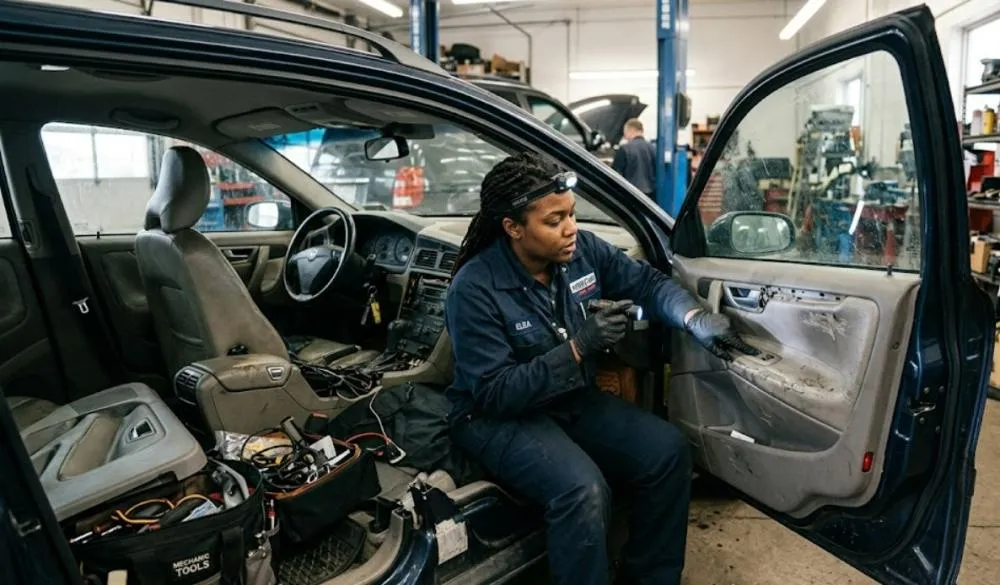
Mechanic inspecting car interior panels before replacement

Brand considerations for luxury interiors

Restoring car interior components is rarely one-size-fits-all. A Ferrari cabin may prioritize lightweight materials, sculpted controls, and performance-focused design. A Maserati interior often blends sportiness with grand-touring comfort. A Lamborghini cabin can be dramatic, angular, and highly specific in trim design. A Bentley interior may place greater emphasis on wood veneers, leather, metal details, and a quiet sense of craftsmanship. These are general design tendencies, not guarantees for every model, but they show why part matching matters.

Ferrari and maserati cabins

For Ferrari projects, owners and shops can start with Ferrari used parts when looking for cabin-related components that suit the model and era. Switchgear, interior trim, steering-wheel elements, vents, and seat-related parts should be checked carefully because even small differences can affect both fit and appearance.

For Maserati vehicles, Maserati used parts may be relevant when the goal is to keep the cabin refined without drifting into generic replacements. Restoring car interior details in these vehicles can mean balancing elegance with practicality, especially on daily driven grand tourers that have seen regular use.

Lamborghini and bentley cabins

With Lamborghini interiors, dramatic shapes and specialized finishes make compatibility especially important. A replacement panel, button surround, or seat trim needs to look like it belongs in the cockpit, not merely fit into the space. Buyers can explore Lamborghini used parts for model-specific options.

With Bentley interiors, the restoration mindset is often more understated. The objective is usually to restore calm, comfort, and visual continuity. Wood, leather, chrome, carpets, and switches should feel cohesive. When restoring car interior elements in this category, Bentley used parts may help buyers stay closer to the vehicle’s original cabin character.

Used parts versus generic replacements

Generic interior parts can sometimes work for simple repairs, but luxury vehicles often reward a more exact approach. Restoring car interior components with used original-style parts may help preserve fit, texture, proportions, finish, and tactile feel. This is especially relevant for visible areas such as door panels, dashboards, consoles, vents, and trim strips, where even a slight mismatch can distract from the overall impression.

There is also a sustainability angle. Reusing quality parts from dismantled vehicles can extend the life of components that still have value. For B2B buyers, that can support efficient repair workflows. For individual owners, it can make the project feel more authentic. Still, used parts should be evaluated carefully. Look for clear photos, visible condition notes, part numbers where available, and evidence that the component matches the intended vehicle. If a part includes electronics, connectors, brackets, clips, or integrated controls, those details matter as much as the outer surface.

Restoring car interior areas is easiest when buyers treat every part as both a design object and a functional component.
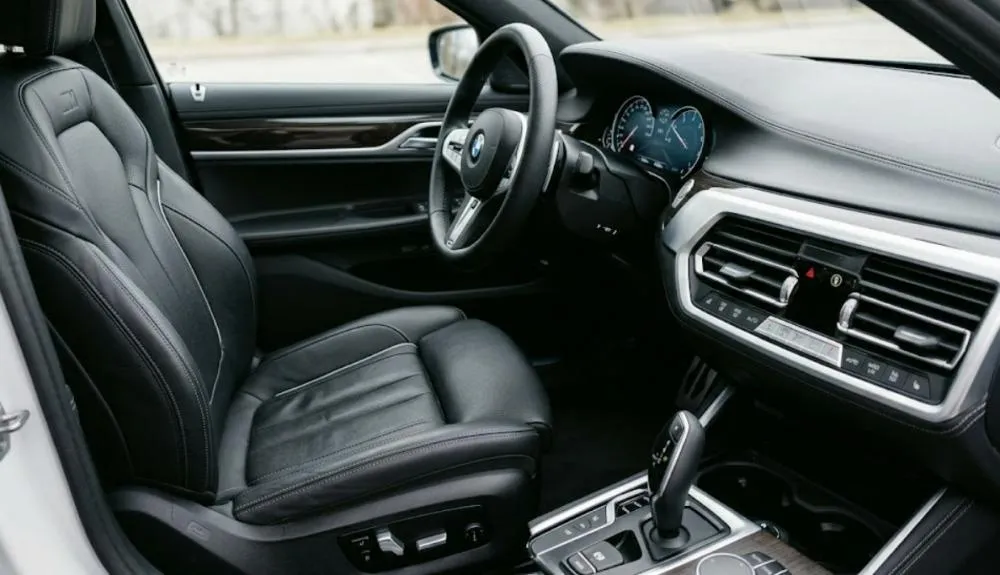
Close up of leather car seat and clean dashboard details

Installation tips before you begin

Before installation, clean the surrounding area and compare the replacement part side by side with the original. Check mounting tabs, clips, screw holes, wiring plugs, color tone, surface grain, and shape. Never force a luxury-car interior component into place. If it resists, there may be a hidden fastener, a misaligned clip, or a version mismatch.

For shops, it is worth building a repeatable intake checklist for restoring car interior projects: vehicle identification, model year, trim level, customer concern, part location, photos, part number, connector type, and condition expectations. This helps avoid delays and gives customers a more professional experience. For private buyers, the same checklist can prevent expensive mistakes. Interior work often feels simple until a fragile clip breaks or an electrical connector does not match. Patience is part of the craft.

Final thoughts on a refined cabin

Restoring car interior quality is one of the most satisfying ways to bring a luxury vehicle back to life. The exterior may create the first impression, but the cabin is where the owner spends time, notices details, and feels the car’s personality. A carefully chosen replacement panel, seat component, switch, or trim piece can make the whole vehicle feel more complete.

Whether the project involves a Ferrari, Maserati, Lamborghini, Bentley, or another premium vehicle, the best results come from matching parts thoughtfully and respecting the original design. Browse relevant categories, compare vehicle-specific options, and use contact support when a detail needs confirmation before purchase. Restoring car interior components should feel precise, not rushed, because luxury is built from details.

Restoring car interior for luxury vehicles

Close up of leather car seat and clean dashboard details
Restoring car interior for luxury vehicles

Why restoring car interior matters

Restoring car interior is about more than making a cabin look clean again. In a luxury vehicle, the interior is part of the driving experience: the touch of the steering wheel, the way a carbon trim panel catches the light, the feel of a properly fitted seat, and the quiet confidence of controls that look and function as intended.

For private owners, restoring car interior details can help bring back the character that made the vehicle special in the first place. For workshops, body shops, resellers, and specialty repair businesses, the process is also practical. A cabin with worn buttons, cracked trim, sagging panels, damaged leather, missing vents, or mismatched components can make an otherwise excellent vehicle feel neglected. That matters when the car is being prepared for resale, inspected by a client, or returned after a repair. In many cases, using certified used luxury-car parts can be a smart route because original-style components often fit better visually and physically than generic replacements. The goal is not to over-modernize the cabin. The goal is to preserve the atmosphere, design language, and premium feel that the manufacturer intended.

Luxury car interior with leather seats and dashboard trim

Common interior parts worth replacing

When restoring car interior surfaces, it helps to think in zones. The first zone is what the driver touches every time: steering wheel, switches, buttons, console controls, shifter surround, door pulls, and seat controls. These parts collect the most wear and can quickly make a cabin look tired. The second zone is what people see immediately: dashboard trim, center console trim, door panels, vents, instrument surrounds, and decorative inserts. The third zone is functional comfort: seats, seat rails, armrests, headrests, carpets, cargo panels, and storage covers.

Trim panels

Trim panels are often the difference between a repair that looks acceptable and one that feels complete. Carbon fiber, wood, aluminum, piano black, and leather-wrapped trim can all age differently, especially in vehicles exposed to sun, heat, moisture, or frequent entry and exit. A single scratched console piece can stand out sharply against an otherwise elegant cabin.

When browsing replacement components, start broadly through used luxury-car part categories, then narrow by brand, finish, and placement. For searches related to interior accents, a targeted query such as interior trim can help surface relevant pieces without inventing a part number too early.

Seats and upholstery components

Seats deserve careful attention because they combine comfort, safety, electronics, and appearance. Restoring car interior seating may involve replacing a full seat assembly, a damaged seat back, a headrest, a control switch, a rail, or a trim cover rather than rebuilding everything from scratch. This is especially useful for luxury and exotic vehicles where matching grain, stitching, shape, and factory layout can matter as much as the condition itself.

Planning restoring car interior projects

Restoring car interior parts successfully starts with documentation. Before removing anything, photograph the cabin from several angles, then capture close-ups of the damaged components, fasteners, labels, electrical connectors, and surrounding panels. This is valuable for both DIY owners and professional buyers because it reduces guesswork later. A part that looks similar from the front may have a different mounting point, plug, sensor configuration, finish code, or production-year variation. Luxury vehicles can also vary by market, trim package, model year, and special edition, so visual matching should be supported by part numbers whenever possible.

Next, decide whether the project is cosmetic, functional, or both. A cosmetic project might involve replacing scuffed trim, worn buttons, cracked vents, faded kick panels, or damaged door cards. A functional project may involve switches, seat motors, latches, glovebox mechanisms, climate controls, or electronic modules. Many projects sit in the middle. For example, a center console may be scratched, but it may also contain buttons, wiring, cupholder mechanisms, and mounting brackets. That is why buyers should inspect photos carefully, ask questions when needed, and compare the removed part with the replacement before installation.

For sourcing by vehicle origin, dismantled luxury vehicles can be a helpful reference point because parts removed from donor vehicles may offer context around model, year, and configuration.

Mechanic inspecting car interior panels before replacement

Brand considerations for luxury interiors

Restoring car interior components is rarely one-size-fits-all. A Ferrari cabin may prioritize lightweight materials, sculpted controls, and performance-focused design. A Maserati interior often blends sportiness with grand-touring comfort. A Lamborghini cabin can be dramatic, angular, and highly specific in trim design. A Bentley interior may place greater emphasis on wood veneers, leather, metal details, and a quiet sense of craftsmanship. These are general design tendencies, not guarantees for every model, but they show why part matching matters.

Ferrari and maserati cabins

For Ferrari projects, owners and shops can start with Ferrari used parts when looking for cabin-related components that suit the model and era. Switchgear, interior trim, steering-wheel elements, vents, and seat-related parts should be checked carefully because even small differences can affect both fit and appearance.

For Maserati vehicles, Maserati used parts may be relevant when the goal is to keep the cabin refined without drifting into generic replacements. Restoring car interior details in these vehicles can mean balancing elegance with practicality, especially on daily driven grand tourers that have seen regular use.

Lamborghini and bentley cabins

With Lamborghini interiors, dramatic shapes and specialized finishes make compatibility especially important. A replacement panel, button surround, or seat trim needs to look like it belongs in the cockpit, not merely fit into the space. Buyers can explore Lamborghini used parts for model-specific options.

With Bentley interiors, the restoration mindset is often more understated. The objective is usually to restore calm, comfort, and visual continuity. Wood, leather, chrome, carpets, and switches should feel cohesive. When restoring car interior elements in this category, Bentley used parts may help buyers stay closer to the vehicle’s original cabin character.

Used parts versus generic replacements

Generic interior parts can sometimes work for simple repairs, but luxury vehicles often reward a more exact approach. Restoring car interior components with used original-style parts may help preserve fit, texture, proportions, finish, and tactile feel. This is especially relevant for visible areas such as door panels, dashboards, consoles, vents, and trim strips, where even a slight mismatch can distract from the overall impression.

There is also a sustainability angle. Reusing quality parts from dismantled vehicles can extend the life of components that still have value. For B2B buyers, that can support efficient repair workflows. For individual owners, it can make the project feel more authentic. Still, used parts should be evaluated carefully. Look for clear photos, visible condition notes, part numbers where available, and evidence that the component matches the intended vehicle. If a part includes electronics, connectors, brackets, clips, or integrated controls, those details matter as much as the outer surface.

Restoring car interior areas is easiest when buyers treat every part as both a design object and a functional component.

Close up of leather car seat and clean dashboard details

Installation tips before you begin

Before installation, clean the surrounding area and compare the replacement part side by side with the original. Check mounting tabs, clips, screw holes, wiring plugs, color tone, surface grain, and shape. Never force a luxury-car interior component into place. If it resists, there may be a hidden fastener, a misaligned clip, or a version mismatch.

For shops, it is worth building a repeatable intake checklist for restoring car interior projects: vehicle identification, model year, trim level, customer concern, part location, photos, part number, connector type, and condition expectations. This helps avoid delays and gives customers a more professional experience. For private buyers, the same checklist can prevent expensive mistakes. Interior work often feels simple until a fragile clip breaks or an electrical connector does not match. Patience is part of the craft.

Final thoughts on a refined cabin

Restoring car interior quality is one of the most satisfying ways to bring a luxury vehicle back to life. The exterior may create the first impression, but the cabin is where the owner spends time, notices details, and feels the car’s personality. A carefully chosen replacement panel, seat component, switch, or trim piece can make the whole vehicle feel more complete.

Whether the project involves a Ferrari, Maserati, Lamborghini, Bentley, or another premium vehicle, the best results come from matching parts thoughtfully and respecting the original design. Browse relevant categories, compare vehicle-specific options, and use contact support when a detail needs confirmation before purchase. Restoring car interior components should feel precise, not rushed, because luxury is built from details.

Previous Maserati Exhaust Systems: Used Parts Guide
Next Ferrari Ornament Guide for Luxury Car Buyers
Comment(s)