
Why a ferrari ornament matters
A ferrari ornament is a small detail, but on a luxury vehicle, small details carry real weight. Exterior badges, wheel-center ornaments, hood or fender emblems, and interior decorative pieces all help complete the visual language of the car. For private owners, the right ornament can restore pride in a vehicle that has lost a finishing touch through age, repair work, weather exposure, or previous ownership. For body shops, restorers, dealers, and parts specialists, the same piece can be the difference between a repair that looks almost finished and one that looks truly complete.
Luxury-car buyers tend to notice proportion, material, finish, and placement more than they realize. A slightly incorrect badge, a faded finish, or an ornament that does not sit flush can make an otherwise excellent Ferrari feel incomplete. That is why sourcing a ferrari ornament should not be treated like buying a generic trim part. It is a visual identifier, a styling cue, and in many cases part of the emotional value of the vehicle. When you are working with certified used luxury-car parts, the goal is not simply to fill an empty space. The goal is to restore the car’s presence with a part that suits its model, year, condition, and intended use.
Understanding the role of ornaments
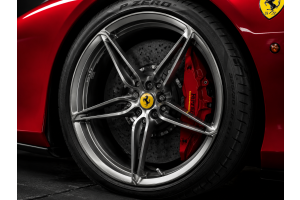
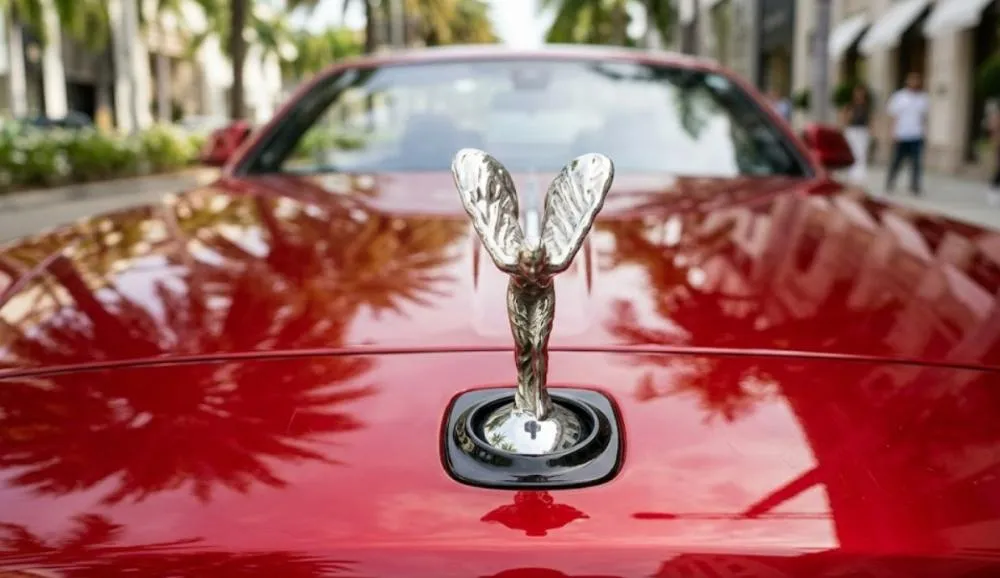
A ferrari ornament can refer to several different part types depending on the model and location. Some buyers are looking for a badge or emblem. Others may mean a decorative wheel cap, a grille detail, a dashboard accent, or a trim piece connected to a specific Ferrari design package. Before comparing options, it helps to define where the ornament belongs on the vehicle and what function it serves. That one step can prevent ordering a part that looks similar in photos but does not match the mounting points, scale, finish, or curvature required for the car.
Exterior details
Exterior ornaments are exposed to sunlight, road grime, washing chemicals, and temperature changes, so condition matters. Look closely at color depth, edge wear, backing condition, adhesive residue, fastener points, and whether the surface has fading, cracking, delamination, or corrosion. With a ferrari ornament, a photo that looks fine at a glance may not reveal whether the edges are clean or whether the backing has been altered. For professional buyers, it is especially important to confirm whether the ornament is suitable for direct installation or better suited for restoration, display, or reference. A part can be authentic and still require refinishing or careful preparation before it belongs on a customer vehicle.
Interior details
Interior ornaments are often judged differently because they are seen up close by the driver and passengers. A trim detail on a dashboard, console, steering wheel, door sill, or seat area must feel consistent with the rest of the cabin. Scratches, cloudy coating, glue marks, or mismatched sheen can stand out sharply next to leather, carbon fiber, aluminum, or piano-black surfaces. If you are replacing a ferrari ornament inside the cabin, compare the finish against surrounding materials rather than judging it in isolation. The best used part is not always the newest-looking one. Sometimes it is the one whose age, texture, and tone match the car around it.
How to choose the right part
Start with the vehicle identity. Model, production year, trim, region, and body style can all matter, especially when dealing with Ferrari parts across different generations. A ferrari ornament for one model may appear close to another but differ in size, pin placement, adhesive layout, curvature, or finish. This is where buyers should slow down and treat the ornament like a fitment-sensitive component, not a universal accessory. If you already know the broader part category, begin by browsing the main luxury car parts categories and then narrow your search by brand or part type.
For Ferrari-specific research, the Ferrari parts section is the most relevant internal starting point. You can also use search when you have a very specific phrase in mind, such as ferrari ornament. Search terms may need a few variations because sellers, dismantlers, and buyers may describe the same object differently. Try “Ferrari emblem,” “Ferrari badge,” “Ferrari crest,” “Ferrari wheel cap,” or a model-specific phrase if the first query is too narrow. For B2B buyers, recording the exact terminology that produces the best results can save time on repeat purchases, estimates, and customer approvals.
Fitment checks
Fitment is the practical side of buying a visual part. Confirm dimensions, mounting style, clip or pin condition, adhesive surface, and whether the part was removed from a compatible vehicle. If the ornament came from a dismantled vehicle, review the source context where available through dismantled vehicles. A used ornament with a known donor background can be easier to evaluate because the buyer can connect the part to a model family or vehicle configuration. That does not replace inspection, but it adds context. When in doubt, ask for clarification before purchasing through the contact page, especially if the ornament is needed for a professional repair, resale preparation, or insurance-related job.
Authenticity and condition
The appeal of a ferrari ornament is tied closely to authenticity. Buyers are often trying to preserve the original look of a high-value car, and an incorrect decorative part can undermine that goal. Authenticity is not only about logos or shape. It can also involve materials, finish quality, backing details, part markings, and how the item sits on the car. A used original part may have minor signs of age, yet still be preferable to a new-looking part that does not match the model. That is why condition should be judged alongside originality and fitment rather than by shine alone.
There is also a difference between acceptable wear and distracting damage. Light surface wear may be reasonable on a used part, particularly if the car itself is not being restored to concours condition. Deep scratches, missing enamel, cracked plastic, bent mounting points, broken clips, and heavy fading are more serious. A ferrari ornament used on the exterior should be checked for weathering around edges and any separation between decorative layers. Interior pieces should be checked for hand-contact wear, cleaning residue, and inconsistent gloss. For dealers and workshops, these distinctions affect not only installation but also how the finished vehicle is presented to the end customer.

Used parts for private and trade buyers
Private buyers often approach a ferrari ornament emotionally. They want the car to look right again. They may be replacing a missing badge, correcting a previous owner’s modification, or finishing a long-awaited restoration. Trade buyers are usually balancing that same visual goal with time, margin, repeatability, and customer expectations. A body shop needs a part that fits and arrives with enough confidence to keep the repair moving. A dealer may need an ornament that improves presentation before listing a vehicle for sale. A restorer may be willing to wait longer for the right piece, especially if the vehicle is rare or historically important.
Certified used luxury-car parts can make sense for both groups because ornament and trim parts are often expensive, model-specific, and difficult to replace with generic alternatives. The value is not only in saving money compared with some new-part scenarios. It is also in finding pieces that match the original character of the car. A used ornament from the correct brand family may have the right shape, surface, and proportions in a way that aftermarket substitutes sometimes miss. Buyers working across multiple exotic marques can also compare sourcing paths through related brand pages, including Maserati parts, Lamborghini parts, and Bentley parts, when managing broader luxury or exotic inventory needs.
Common buying mistakes
One common mistake is buying from appearance alone. A ferrari ornament may look correct in a single product image but still be the wrong size, finish, generation, or mounting type. Another mistake is ignoring the part’s installation context. Adhesive-backed ornaments may need careful surface preparation, and clip-mounted ornaments may require intact retaining points. Buyers should also avoid assuming that similar Ferrari models share the same decorative parts. Luxury vehicles evolve in subtle ways, and those subtleties matter when the final result is judged up close.
A second mistake is over-prioritizing perfect cosmetics while under-prioritizing compatibility. A flawless-looking ornament is not useful if it does not fit the car. A third mistake is failing to plan for lead time. Specialty used parts may require more searching than ordinary service components, especially when the buyer wants a specific finish or donor model. A fourth mistake is not asking enough questions before ordering. For a ferrari ornament, good questions are simple but powerful: What vehicle did it come from? Are the mounting points intact? Are there close-up photos of the front, back, and edges? Is the finish original, refinished, or unknown? Those answers can prevent delays and help buyers make a more confident decision.

Final thoughts
A ferrari ornament is more than a decorative extra. It is part of the way the vehicle communicates identity, craftsmanship, and care. Whether you are a private owner restoring a missing detail or a professional buyer completing a repair, the right approach is the same: confirm fitment, inspect condition, compare finish, and use trusted category or brand paths when searching. Start broad if you are still identifying the part, then narrow by Ferrari model, location on the vehicle, and mounting style. With patience and careful evaluation, a used ornament can help bring a luxury car back to the level of detail its badge deserves.