Why genuine ferrari parts matter
Ferrari ownership is built around precision. Every curve, fastener, panel, switch, and performance component contributes to the way the car feels on the road and the way it presents itself in a showroom, collection, or private garage. That is why genuine ferrari parts are more than replacement items; they are a way to preserve the engineering character of the vehicle.
For both individual owners and professional repair businesses, choosing the right part can influence fitment, labor time, long-term reliability, resale confidence, and the final appearance of a repair. A Ferrari is rarely repaired casually. Even a small component may need to match the original design closely because surrounding systems, body lines, sensors, electronics, and trim pieces are often built to very specific tolerances. When the goal is to keep the car as close as possible to its intended specification, genuine ferrari parts are usually the most logical starting point.
What genuine ferrari parts include
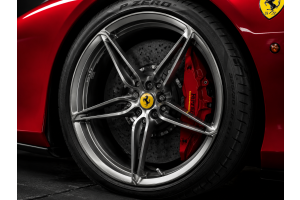
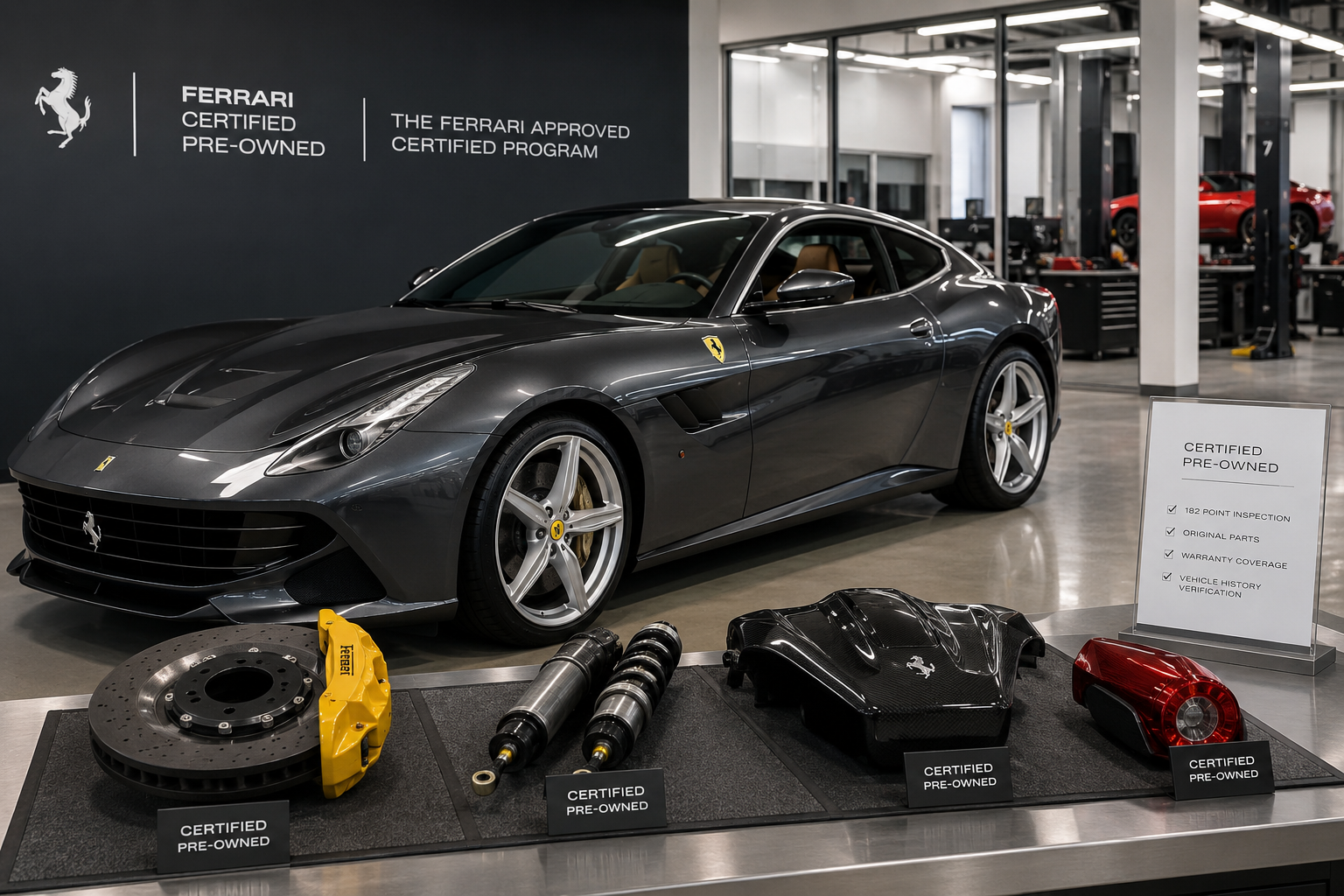
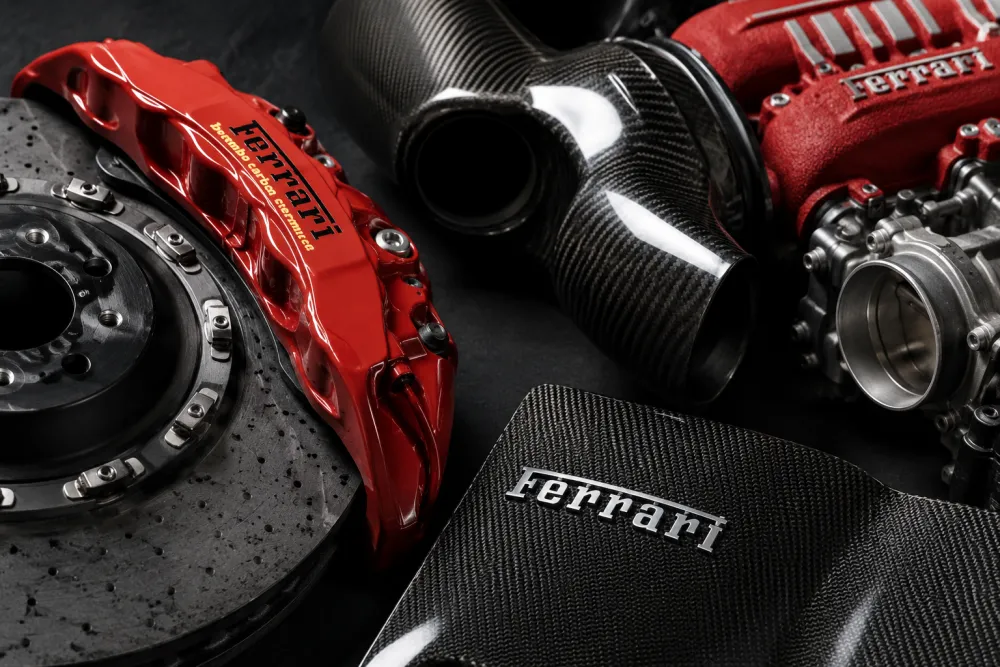
The phrase genuine ferrari parts can cover a wide range of components. Some buyers are searching for visible exterior items such as bumpers, fenders, mirrors, wheels, lights, carbon fiber trim, grilles, and badges. Others need mechanical or performance-related parts, including suspension pieces, braking components, engine accessories, exhaust elements, cooling parts, or drivetrain-related hardware. Interior shoppers may be looking for seats, dashboard trim, center console pieces, control switches, steering wheels, door cards, or small finishing details that help return a cabin to the right look and feel.
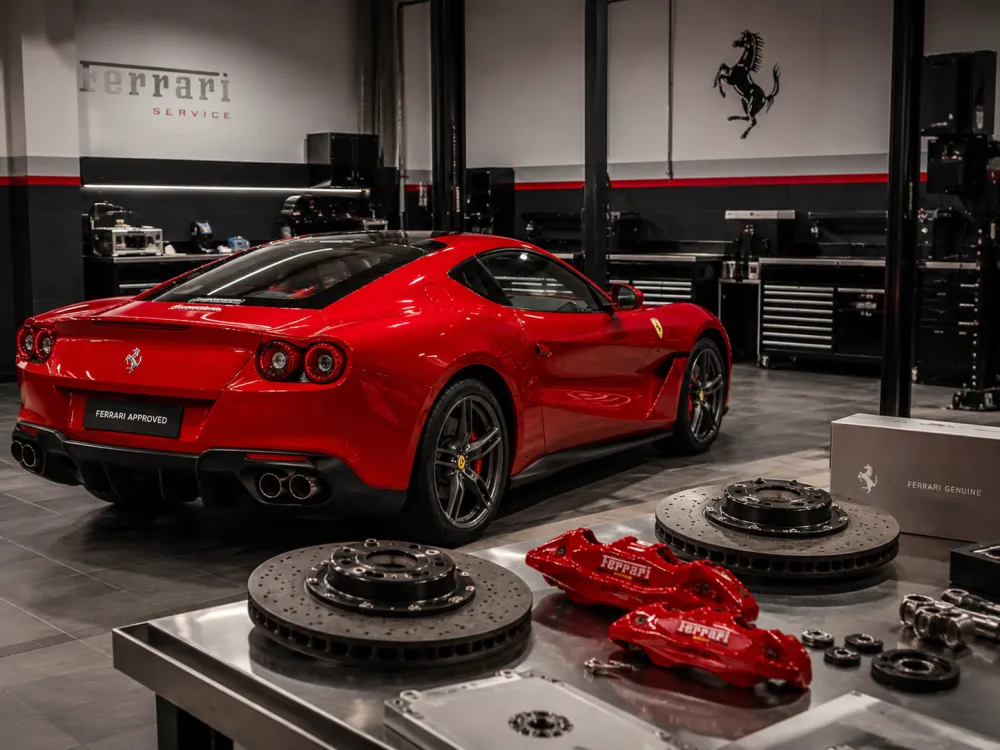
Because Ferrari models are highly specific, the same general part category can vary significantly between model years, trims, and special variants. A wheel, headlight, bumper insert, or carbon fiber piece may look similar at a glance but still be wrong for a particular build. This is especially important for collision repair shops, restoration specialists, exotic car dealers, and private owners who want to avoid delays. A careful match by model, year, side, finish, part number, and condition can save time and reduce the risk of ordering the wrong component.
Exterior parts
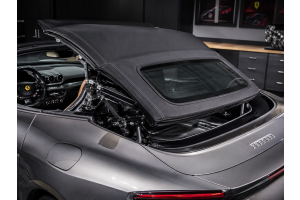
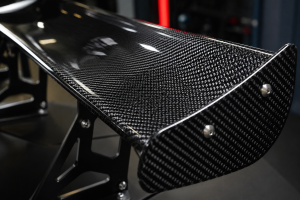
Exterior parts are often where originality is most visible. Body panels, lighting, mirrors, aero pieces, and trim affect not only appearance but also alignment and proportion. With genuine ferrari parts, the goal is to maintain the visual language of the car rather than settling for a component that almost fits. On a Ferrari, “almost” can be easy to notice.
Interior parts
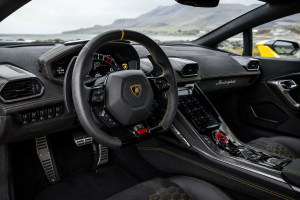
Interior components carry much of the emotional value of the car. The feel of a switch, the finish of carbon fiber, the stitching on a seat, and the texture of a trim panel all contribute to the ownership experience. For a collector, dealer, or driver who wants the cabin to feel authentic, genuine ferrari parts can help protect that sense of quality.
Mechanical parts
Mechanical components require even more care. Ferrari performance depends on systems working together, and a mismatched part can create unnecessary complications during installation or later use. Buyers should always verify compatibility, inspect condition, and confirm whether a used component is suitable for the intended repair before purchasing.
Used parts versus new parts
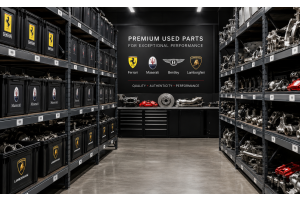
New parts can be the right choice in many situations, but certified used luxury-car parts are often attractive when availability, cost, or model age becomes a factor. Many Ferrari models have parts that are difficult to source quickly through standard channels. In some cases, a used original component may be the most practical way to complete a repair while keeping the vehicle aligned with its factory identity.
This is where genuine ferrari parts from dismantled vehicles can become especially relevant. A carefully removed original part may offer the correct fit, finish, and specification for a specific vehicle. For example, a repair shop working on a front-end repair may need a combination of lighting, brackets, trim, cooling ducts, and body pieces. A private owner might only need one small interior switch or a carbon fiber insert. A dealer preparing a vehicle for resale may need a wheel, mirror, or trim piece that visually matches the rest of the car. In all of these situations, the value is not only in the part itself but in finding the right part with enough detail to make a confident decision.
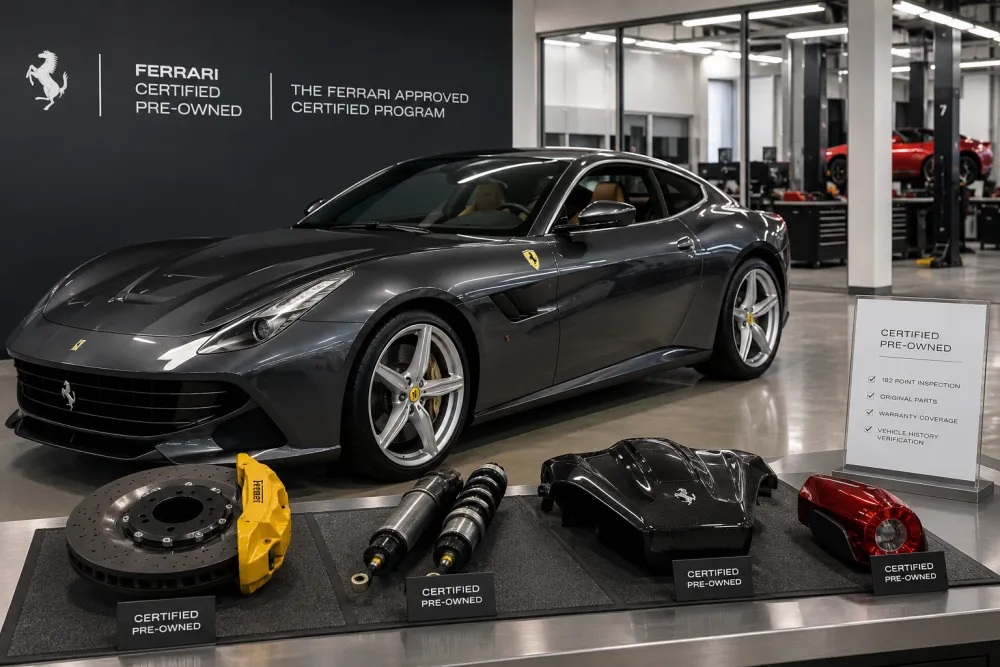
Buyers can explore broader part categories through luxury car parts categories, review Ferrari-specific options through the Ferrari parts section, or look at vehicles being parted out through dismantled vehicles.
How to evaluate part condition
Condition matters because used parts can vary widely. Before buying genuine ferrari parts, review photos closely and look for scratches, cracks, broken tabs, missing hardware, worn surfaces, fading, corrosion, or signs of prior repair. The right level of acceptable wear depends on the part. A hidden bracket may not need to be cosmetically perfect, while a visible carbon fiber trim piece, wheel, light, or interior panel may need much closer inspection.
Fitment details are just as important as cosmetic condition. A buyer should confirm model, production year, left-hand or right-hand placement, part numbers when available, finish, material, and any related options. Ferrari vehicles can have variations based on market, trim, package, and production changes. That means a part that looks correct in a photo may still require additional verification. For B2B buyers, this step is especially important because a wrong part can slow a repair bay, delay delivery, and create extra communication with the end customer. For B2C buyers, it can be the difference between a satisfying upgrade and a frustrating return process.
Questions to ask before ordering
Useful questions include whether the part matches the exact model, whether mounting points are intact, whether electronic components have been tested, whether any accessories are included, and whether the finish matches the vehicle. Buyers should also ask if additional photos are available when a critical area is not visible. When in doubt, contacting the seller with vehicle details is usually the safest step.
Fitment for ferrari models
Ferrari fitment is not something to guess. Even when two models share a family resemblance, components may differ in small but important ways. A part for one model year may not fit another. A carbon fiber wheel-related search, for instance, may overlap with related terms such as rim, wheel, finish, and model-specific sizing. Buyers looking for wheel-related options can use a focused search such as genuine Ferrari parts search to begin narrowing possibilities.
The same principle applies across other luxury brands. Buyers comparing parts across exotic and premium vehicles may also find relevant brand areas for Maserati parts, Lamborghini parts, and Bentley parts. Still, Ferrari components should always be matched to the Ferrari application rather than selected by appearance alone.
Why buyers choose original ferrari components
There are practical and emotional reasons to choose genuine ferrari parts. Practically, original components are designed around the car’s structure, systems, and finish standards. Emotionally, they help preserve the identity of a vehicle that may be driven, collected, displayed, resold, or restored with care. For many owners, originality is part of the pleasure of Ferrari ownership. For repair shops and dealers, originality can also support customer confidence because the finished vehicle feels more complete and more authentic.
Another reason is consistency. Luxury vehicles are judged closely. Panel gaps, trim texture, lighting clarity, wheel finish, leather tone, and carbon fiber weave can all influence the final impression. When a Ferrari has been repaired with components that do not match well, the difference can stand out quickly to a knowledgeable buyer or technician. Genuine ferrari parts help reduce that risk because they are based on the original design language of the car.
Buying tips for b2c and b2b customers
Private buyers should start with the vehicle identification details, clear photos of the damaged or missing part, and any part numbers that can be found. It is also helpful to note the car’s model year, market, trim, color, interior finish, and options. The more information available before ordering, the easier it is to compare listings and avoid mistakes.
Professional buyers often need a faster and more structured process. Repair shops, body shops, exotic car service centers, insurers, and dealers may be sourcing several components at once. In those cases, it helps to build a parts list, separate critical fitment items from cosmetic items, and confirm which pieces must be replaced together. For example, a front-end repair may involve visible panels, hidden brackets, lighting, sensors, ducts, and fasteners. A wheel repair may require attention to size, offset, finish, and related hardware. An interior repair may depend on trim color, stitching, material, and side-specific placement. Genuine ferrari parts can make these jobs more efficient when the right information is matched early in the buying process.
When to contact a parts specialist
Contacting a parts specialist is useful when fitment is uncertain, when the part is rare, or when photos do not answer every question. This is especially true for genuine ferrari parts connected to electronics, carbon fiber packages, model-specific trim, suspension geometry, lighting, or high-value exterior panels. A short conversation can often prevent a costly mismatch.
Buyers who need help narrowing a request can use the contact page and provide model details, photos, part numbers, and a clear description of the repair goal. Whether the buyer is restoring a personal Ferrari, preparing inventory for sale, or completing a client repair, careful sourcing helps protect the result.
Final thoughts
Choosing genuine ferrari parts is ultimately about preserving what makes a Ferrari special. The right component supports fit, finish, performance, and confidence. It helps a repair feel intentional rather than improvised. It also respects the design and engineering that made the car desirable in the first place.
For owners, shops, dealers, and collectors, the best approach is simple: verify carefully, inspect condition, match fitment, and choose parts that support the long-term value and experience of the vehicle. When sourced thoughtfully, genuine ferrari parts can help return a Ferrari to the standard it deserves.