
For supercar owners, independent repair shops, rebuilders, and performance-focused buyers, lamborghini exhaust systems are more than replacement parts. They shape the sound, response, character, and presence of the vehicle. A well-matched exhaust can help preserve the driving experience people expect from a Lamborghini, while the wrong part can create fitment issues, unwanted noise, warning lights, or extra labor during installation. Whether the goal is a clean repair, a restoration, or a carefully chosen upgrade, understanding the basics of used luxury-car exhaust parts makes the buying process much smoother.
Why exhaust choice matters
Lamborghini exhaust systems sit at the intersection of engineering and emotion. They manage exhaust flow, heat, emissions-related routing, acoustic tuning, and the dramatic sound that many drivers associate with the brand. For B2C buyers, the decision often starts with sound and appearance. For B2B buyers, such as repair facilities, dismantlers, body shops, and specialty resellers, the priority is usually fitment accuracy, condition, availability, and confidence that the part can be installed without creating delays.
Because many Lamborghini models use complex rear packaging, tight clearances, heat shielding, valves, sensors, brackets, and model-specific layouts, an exhaust component is rarely just a simple pipe. Even parts that look similar may differ by model year, engine variant, trim, market, or previous repair history. That is why buyers should treat lamborghini exhaust systems as precision parts, not universal accessories.

Key components to understand
A complete exhaust assembly can include manifolds or headers, catalytic converters, mid-pipes, mufflers, rear sections, tips, exhaust valves, oxygen sensor bungs, clamps, hangers, shields, and mounting hardware. Depending on the model, some components may be sold separately, while others are easier to source as larger assemblies. Buyers looking through used luxury-car parts should compare the available component with the part they are replacing, ideally using photos, part numbers, and vehicle details.
Sound, performance and identity
One reason lamborghini exhaust systems attract so much attention is that they influence how the car feels before it even moves. The idle, startup note, gear-change tone, and high-rpm sound all contribute to the ownership experience. Still, louder is not always better. A system that is too aggressive can create drone, attract unwanted attention, or make the car less enjoyable during normal driving. For professional buyers, this matters because the end customer may want an authentic, refined result rather than the most extreme option available.
Factory and factory-style used components can be especially appealing when the goal is to restore a car after damage, replace worn or missing parts, or keep the vehicle close to its original specification. In other cases, buyers may search for a specific rear muffler, valve section, or visible tip design to match an existing build. The important point is to define the outcome first: repair, restoration, resale preparation, or performance-oriented customization.
Buying used exhaust parts
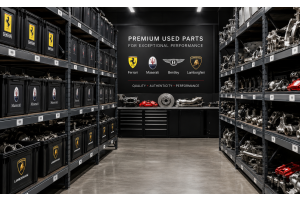
Used exotic-car parts can offer a practical route when new components are expensive, backordered, or difficult to justify for a repair budget. With lamborghini exhaust systems, the key is to inspect condition carefully and confirm compatibility before purchase. Look for signs of impact damage, crushed sections, broken welds, missing brackets, cut pipes, excessive corrosion, damaged flanges, altered valve assemblies, and stripped sensor threads. Cosmetic discoloration is common on exhaust parts because of heat, but structural damage is a different issue. A clean used component should be judged by fitment points, integrity, completeness, and whether it matches the buyer’s vehicle and intended use.
Shops and resellers should also think about labor risk. A part that costs less upfront may become expensive if it requires fabrication, missing hardware, or unexpected troubleshooting. Owners should ask for clear photos from multiple angles, especially of connection points, brackets, tips, welds, and any valve mechanisms. When browsing broader inventory, the parts categories page can be a useful starting point for exploring luxury-car components by type.
Fitment before finish
The finish of an exhaust tip may catch the eye, but fitment should come first. Before buying lamborghini exhaust systems, confirm the model, year range, engine configuration, and whether the part came from the same generation of vehicle. A part removed from a dismantled car may be highly valuable, but it still needs to match the receiving vehicle. If the car has previous modifications, aftermarket rear bumpers, altered mounts, or missing heat shields, additional checks become even more important.
Buyers can also review available source vehicles through dismantled vehicles when they want context on where a used part may have come from. For Lamborghini-specific inventory, the Lamborghini parts page is the most relevant internal brand destination.

What b2c buyers should consider
For private owners, the biggest questions are usually sound, originality, budget, and confidence. If the vehicle is being prepared for sale, an original-style exhaust part may support a cleaner presentation. If the car is a long-term weekend driver, comfort and tone may matter as much as peak sound. If the vehicle has been damaged, then getting the correct replacement quickly can be more important than chasing a rare upgrade.
When comparing lamborghini exhaust systems, owners should avoid choosing based on photos alone. Ask what is included, whether valves or brackets are present, whether sensor ports are intact, and whether the tips are aligned and undamaged. It is also worth checking whether the system is a rear section, mid-section, catalytic section, or full assembly. These distinctions affect both price and installation planning.
What b2b buyers should consider
For repair shops, body shops, parts brokers, and specialty buyers, lamborghini exhaust systems should be evaluated as workflow items. The right part can reduce vehicle downtime, help complete an insurance or customer-pay repair, and prevent rework. The wrong part can stall a job in the bay, create customer frustration, or require unexpected fabrication. Professional buyers should document the vehicle identification details, compare part numbers when available, and confirm whether the exhaust is stock, modified, or missing related hardware.
B2B buyers may also need to source other luxury brands for mixed inventory or multi-brand clients. In that case, it can help to browse related brand sections such as Ferrari parts, Maserati parts, Bentley parts, and Lamborghini inventory together, especially when managing exotic-car repair demand across several marques.
Searching with intent
Search terms should be specific enough to narrow the results, but flexible enough to catch useful listings. A buyer might search for “lamborghini exhaust,” “huracan muffler,” “aventador exhaust,” or “lamborghini rear exhaust,” depending on the vehicle and component needed. For a direct inventory-style search, buyers can also use a search page such as lamborghini exhaust search results.
Condition checks that matter
Before committing to lamborghini exhaust systems, inspect the areas that determine whether the part will install cleanly. Mounting ears should not be bent or cracked. Flanges should sit flat. Tips should not be deeply dented or twisted. Welds should look complete, not split or heavily repaired. Valve components, if included, should appear complete and unbroken. Heat shields should be present when they are part of the assembly, because missing shields can complicate installation and increase heat-management concerns near surrounding bodywork.
Also consider shipping. Exhaust parts can be bulky, oddly shaped, and vulnerable at the tips or flange ends. For higher-value components, packaging quality matters. A rare used part is only useful if it arrives in the same condition shown before purchase.

Final buying guidance
Lamborghini exhaust systems should be purchased with the same care as any other high-value exotic-car component. Start with fitment, then verify condition, completeness, and intended outcome. For owners, the right used exhaust part can help preserve the car’s character without unnecessary compromise. For shops and trade buyers, it can keep projects moving, protect margins, and support a professional repair process.
If the right part is not obvious, it is better to ask before buying than to guess. Buyers can use the contact page to discuss part needs, fitment details, or inventory questions. With careful comparison and realistic expectations, used luxury-car parts can be a smart path to maintaining the look, sound, and presence that make Lamborghini ownership distinctive.