
In a luxury or exotic car, every component feels connected to the experience behind the wheel. The steering, throttle response, exhaust note, and acceleration all depend on parts working together with precision. That is why high performance air filters are such a common topic among owners, workshops, restorers, and parts buyers who want to keep a premium vehicle breathing properly. They may look simple, but air filters sit at an important point in the intake system, helping manage the air that reaches the engine while also protecting sensitive internal components from debris.
Why air filtration matters
Combustion engines need clean air, fuel, and spark to operate as intended. When airflow is restricted, dirty, or inconsistent, the engine management system may have to compensate, and the car can feel less sharp than it should. For performance vehicles, that difference matters because the driving experience is often defined by how quickly and smoothly the engine responds. High performance air filters are designed to support airflow while still filtering contaminants, making them a relevant upgrade or replacement consideration for many luxury-car applications.
For B2C buyers, the interest is often personal. You may want a Ferrari, Maserati, Lamborghini, Bentley, or another premium vehicle to feel as crisp as it did when it was engineered. For B2B buyers, the priority may be consistency, compatibility, and sourcing efficiency for clients who expect quality parts. In both cases, the filter should be considered as part of a broader intake and maintenance picture rather than as a standalone magic fix.
luxury car parked in a clean showroomHow air filters support performance
High performance air filters are generally built to improve or preserve airflow compared with heavily clogged or restrictive filters. Depending on the vehicle and intake design, that can support smoother throttle response, more consistent engine breathing, and better overall drivability. The benefit is not only about peak horsepower; it is also about maintaining the intake system in a condition that allows the car to operate predictably. A powerful engine can only perform well if the basics are right, and filtration is one of those basics that is easy to overlook until it causes a noticeable issue.
Airflow and engine response
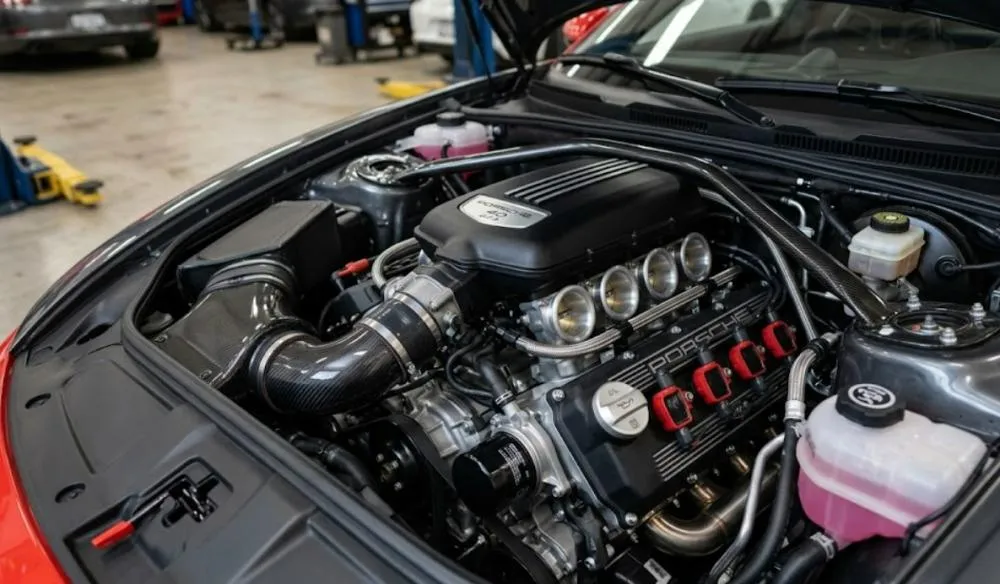
Luxury performance cars often have sophisticated intake systems, sensors, and engine control strategies. The air filter sits before many of those systems, so its condition can influence how efficiently air reaches the engine. When a filter is old, damaged, incorrectly fitted, or poorly matched to the vehicle, the result may be less responsive acceleration, unusual intake behavior, or unnecessary stress on other components. High performance air filters should therefore be chosen with the vehicle’s engineering in mind, especially when dealing with exotic or high-output engines.
This is where fitment becomes especially important. A filter that is marketed as performance-oriented is not automatically right for every model, trim, or engine configuration. Buyers should think about the complete intake path, including the airbox, seals, sensors, and any previous modifications. If a vehicle has already been altered, the right choice may differ from a factory-spec replacement. For parts professionals, workshops, and resellers, this makes accurate identification essential before recommending or installing high performance air filters.
Choosing the right filter
The best air filter choice depends on the vehicle, intended use, and maintenance expectations. Some drivers want a clean OEM-style replacement that restores normal intake performance. Others prefer reusable or performance-oriented options that may require specific cleaning procedures. Neither approach should be treated casually. A filter is a protective component, so the goal is not simply to let in more air, but to let in the right amount of clean air for the application.
For luxury and exotic cars, part compatibility can be more complex than it appears. Model year, engine variant, market specification, and previous service history can all matter. A part that fits one version of a model may not fit another, even if the vehicles look similar from the outside. Buyers exploring replacement parts can begin with broad categories at Spares USA categories, then narrow their search around the correct vehicle, part type, and condition. For a more direct product-style search, a query such as high performance air filters can help guide the process without relying on guesswork.
Condition and certification
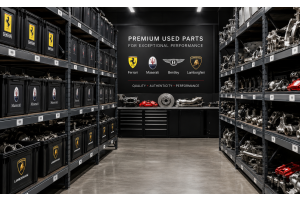
Used luxury-car parts can make sense for many repairs and builds, but condition matters. With intake components, buyers should look carefully at housings, clips, seals, mounting tabs, and surrounding hardware, not just the filter element itself. A clean filter in a damaged box can still create problems. Likewise, an intake assembly that appears complete should still be checked against the exact vehicle application. When sourcing used or certified parts, the strongest approach is to combine visual inspection, part-number verification, and knowledgeable support before purchase.
Luxury brands and fitment
Brand-specific fitment is one of the biggest reasons buyers should slow down before ordering. A Ferrari intake layout may differ significantly from a Maserati grand tourer, while a Lamborghini application may have packaging demands shaped by mid-engine architecture. A Bentley may prioritize refined power delivery and long-distance smoothness, but it still depends on correct air management. In each case, high performance air filters should match the vehicle’s actual design rather than a general idea of what a performance part should be.
When researching parts by marque, it is useful to start from dedicated brand pages. Buyers working on Italian performance cars can browse Ferrari parts, Maserati parts, or Lamborghini parts depending on the vehicle. For grand touring and ultra-luxury applications, the Bentley parts page may be more relevant. These brand paths can help structure the search, especially when comparing air intake components, surrounding assemblies, or related replacement parts.
When to replace or upgrade
There is no single rule that applies to every car, because driving environment, mileage, storage conditions, and service history all play a role. A car that sees dusty roads, frequent spirited driving, or long storage periods may need closer inspection than one driven occasionally in clean conditions. Signs that an air filter or related intake component deserves attention can include visible contamination, damaged seals, poor fit, unusual intake noise, hesitation, or a general sense that the engine is not breathing as freely as expected. High performance air filters may be considered during routine maintenance, intake service, restoration work, or when replacing missing or damaged intake parts.
For workshops and resellers, replacement decisions are often tied to customer expectations. A luxury-car owner may not only want a repair completed; they may want confidence that the vehicle has been handled with the right level of care. That means documenting fitment, avoiding vague substitutes, and understanding whether the customer wants factory-style performance, a more performance-oriented setup, or simply a dependable replacement. In that environment, high performance air filters become part of a larger service conversation about quality, reliability, and the long-term value of the vehicle.
Used parts and related components
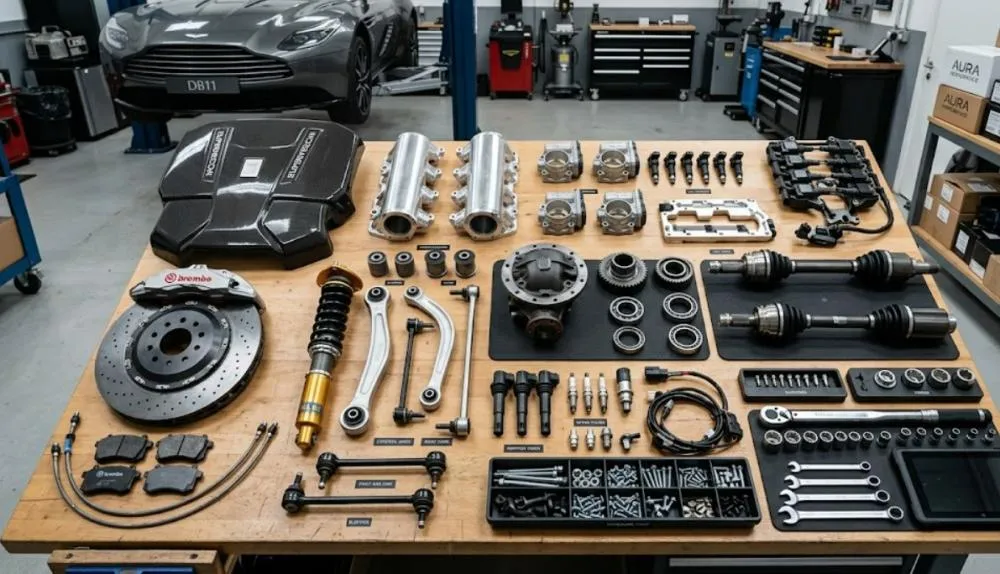
Sometimes the air filter itself is only one part of the need. A buyer may require an intake box, duct, sensor mount, cover, clamp, or surrounding hardware. This is where dismantled vehicles can be especially useful, because they may provide access to assemblies and related parts that are difficult to evaluate in isolation. Browsing dismantled vehicles can support a more complete sourcing process when a repair involves more than a single filter element.
Buying with confidence
The smartest way to buy intake-related parts is to combine aspiration with discipline. It is natural to want a luxury vehicle to feel powerful, responsive, and special, but the right part should also be compatible, inspectable, and suitable for how the car will actually be used. High performance air filters can be a valuable part of a well-maintained performance car, but they should be selected with the same care as any other component connected to engine operation. That means checking the exact model, confirming surrounding parts, and avoiding assumptions based only on brand or appearance.
Whether you are an enthusiast maintaining a personal car or a business sourcing parts for demanding clients, the air intake system deserves respect. Clean, correct airflow supports the experience that makes luxury and exotic vehicles worth preserving. If fitment details are unclear, or if the vehicle requires related intake components, use the available category, brand, search, and dismantled-vehicle resources as a starting point. For specific questions about availability or compatibility, the next step is to contact Spares USA with the vehicle details and the part requirements.