Carbon fibre auto parts for luxury cars
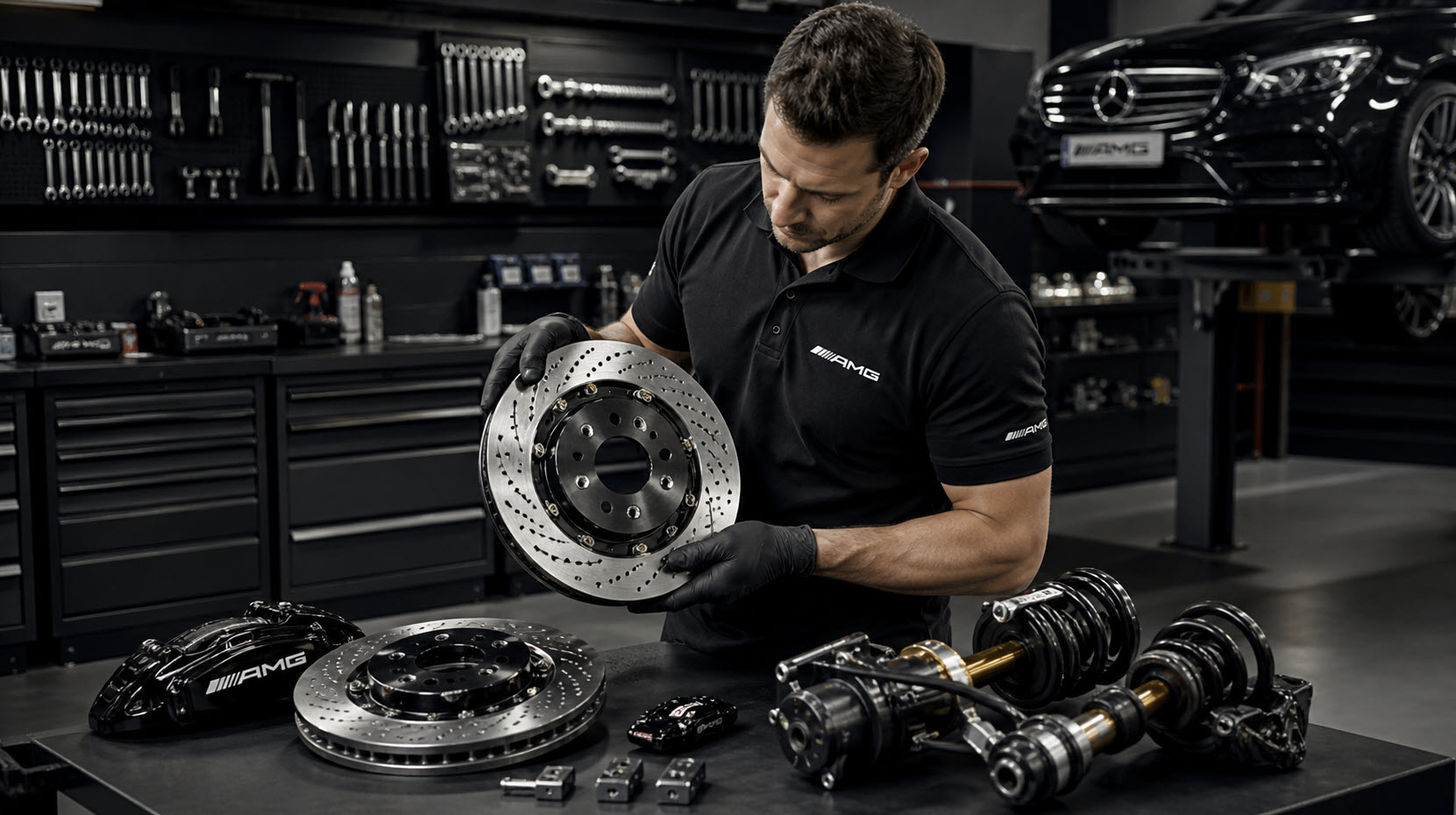
Why carbon fibre matters in luxury cars
Carbon fibre auto parts are closely associated with performance, craftsmanship, and modern luxury-car design. The material is lightweight, rigid, and visually distinctive, which is why it appears on many high-end vehicles as trim, aerodynamic bodywork, structural covers, and motorsport-inspired upgrades. For owners, repair shops, restoration specialists, and exotic-car resellers, carbon fibre auto parts can help preserve the look and character of a premium vehicle without defaulting to a generic replacement. They can also support a more authentic repair when the original vehicle was equipped with carbon fibre from the factory.
In the luxury-car world, the details matter. A wheel arch, engine cover, front splitter, mirror cap, side skirt, or interior trim piece may seem small compared with the engine or transmission, but those visible components shape the way the car feels to the driver and appears to a buyer. Carbon fibre auto parts sit at the intersection of styling and function: they can reduce weight, improve visual continuity, and maintain the premium impression that buyers expect from Ferrari, Lamborghini, Maserati, Bentley, and other exotic marques. When a damaged or missing carbon fibre component is replaced with the right used part, the vehicle can retain more of its intended identity. That is especially important for cars where originality, factory specification, and condition can influence desirability. The goal is not simply to replace a broken part. The goal is to keep the car feeling like itself.

Where carbon fibre auto parts are commonly used
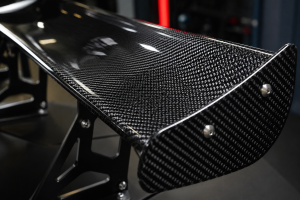
Carbon fibre auto parts appear in more areas than many buyers first realize. Exterior pieces may include front lips, rear diffusers, spoilers, bumpers, hoods, fenders, engine vents, mirror housings, door inserts, and aerodynamic underbody panels. Interior pieces can include center console trim, dashboard accents, door trim, steering wheel sections, seat backs, paddle-shifter surrounds, and sill plates. Under the hood, carbon fibre may appear as an intake cover, engine bay panel, airbox, or decorative cover that completes the factory presentation.
For B2C buyers, the appeal is often personal. A driver may want to repair accident damage, replace a cracked trim piece, or upgrade a vehicle with a more desirable factory-style component. For B2B buyers, the priorities are often speed, accuracy, and confidence. Body shops, independent luxury-car specialists, dealership-adjacent repair networks, exporters, and resellers may need carbon fibre auto parts that fit a specific model year, trim, side, finish, or mounting configuration. That is why broad browsing can be helpful at the start. Buyers can review available used luxury-car parts through parts categories, then narrow the search by brand, part type, and condition.
Exterior panels and aerodynamic pieces
Exterior carbon fibre components tend to attract the most attention because they are visible from the first glance. A front splitter can change the posture of the car. A rear diffuser can make the back end look complete again after impact damage. A carbon fibre hood or engine cover can be central to the identity of an exotic model. These parts also tend to be expensive when purchased new, and availability can vary widely depending on the age and production volume of the vehicle. Used carbon fibre auto parts may offer a practical route for sourcing rare exterior components while still matching the premium nature of the car.
Interior trim and cabin details
Interior carbon fibre parts matter because drivers interact with them every time they enter the car. A scratched console panel, cracked door insert, or missing trim cover can make an otherwise excellent vehicle feel tired. In luxury and exotic cars, cabin materials are part of the ownership experience, so replacing damaged trim with a matching used component can be more satisfying than using a non-matching substitute. Before buying, compare weave pattern, gloss level, mounting tabs, clips, side orientation, and exact model compatibility. Small differences can be important.
How to evaluate fitment and condition
The most important rule when buying carbon fibre auto parts is to treat fitment as a technical decision, not just a visual one. Two parts can look nearly identical in photos but have different mounting points, sensor cutouts, vent openings, clear-coat finishes, or production revisions. Vehicle generation, model year, trim package, market region, and optional equipment can all affect compatibility. This is especially true for exotic cars, where limited-run packages and factory options can create subtle differences. A buyer looking for a Ferrari component, for example, may begin with the Ferrari parts page, but should still confirm the exact part details before purchase. The same principle applies to Lamborghini parts, Maserati parts, and Bentley parts.
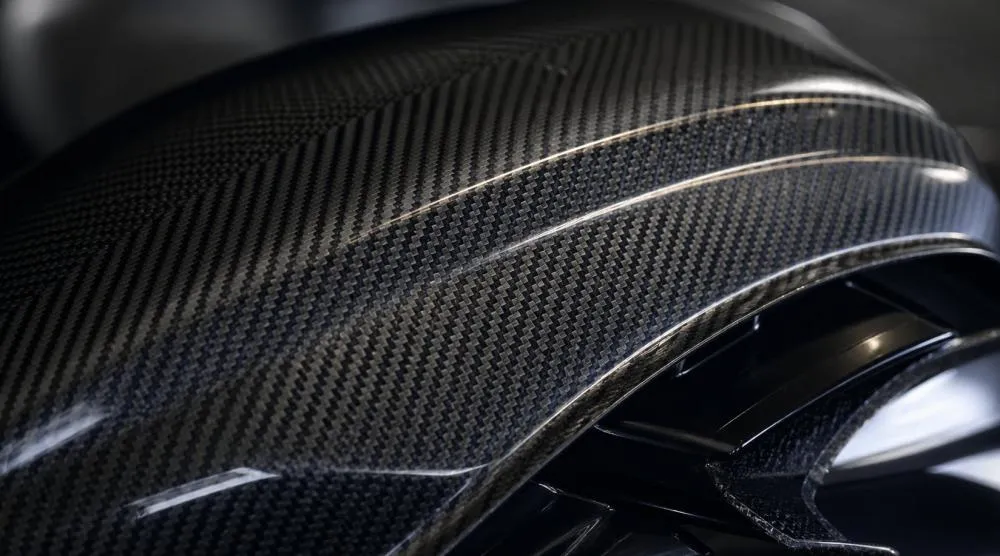
Condition matters in a different way than it does for many metal or plastic parts. Carbon fibre can have clear-coat wear, UV fading, edge chips, hairline cracks, delamination, broken tabs, resin clouding, scuffs, or previous repairs. Some marks may be cosmetic and acceptable, especially for a track-focused or driver-grade car. Other damage may affect strength, installation, or final appearance. For visible exterior pieces, look closely at the surface finish and edges. For interior pieces, inspect mounting tabs and clip points, because a beautiful face surface is not helpful if the part cannot be secured properly. For shops and resellers, documenting these details before ordering can save labor time and prevent delays. Carbon fibre auto parts reward careful inspection.
Used parts, value, and responsible sourcing
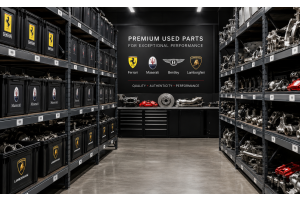
There is a strong practical case for used carbon fibre auto parts. New luxury-car components can be costly, and discontinued or low-volume parts may be difficult to locate through standard channels. Used parts can help keep valuable vehicles on the road, support repairs after collision damage, and provide options for buyers who want factory-style quality without automatically choosing a brand-new part. They can also reduce waste by giving existing components a second service life. For a dismantled luxury vehicle, many components may still have meaningful value even when the whole car is no longer roadworthy. Buyers researching donor vehicles can explore dismantled vehicles to understand how parts availability may connect to specific makes and models.
For B2B buyers, sourcing used carbon fibre auto parts is often about balancing cost, speed, and confidence. A repair shop may need a part quickly to finish a customer vehicle. A reseller may need to restore a car to a more complete and desirable specification. An exporter may be sourcing several components for a single luxury model. In all of these cases, the right used component can support the commercial outcome, but only when the buyer confirms compatibility before committing. It is useful to collect the VIN, production year, exact model, side needed, photos of the damaged part, and any visible part numbers. When searching, buyers can also use targeted queries such as carbon fibre auto parts to look for relevant inventory. If the match is uncertain, it is better to ask before ordering than to force a fit later.
What buyers should ask before purchasing
Before buying, ask practical questions. Is the part original equipment, aftermarket, or a factory-style replacement? Is it for the left or right side? Does it include brackets, clips, seals, hardware, sensors, or attached trim? Are there cracks, repairs, broken tabs, or clear-coat defects? Does the finish match gloss carbon, matte carbon, forged carbon, or another appearance? Has the part been removed from a specific model that can help confirm compatibility?
These questions are especially important because carbon fibre auto parts are often bought for vehicles where presentation has real value. A small mismatch can stand out on a high-end car. A missing mounting point can create extra labor. A part that fits one trim may not fit another. For personal buyers, the goal may be pride of ownership. For commercial buyers, the goal may be a clean repair, faster turnaround, and fewer surprises. Either way, clarity before purchase is valuable. When a listing does not answer every question, the next step is simple: contact the seller with the details of the vehicle and the part needed. Spares USA provides a contact page for buyers who need to ask about availability, fitment, or specific used luxury-car parts.
Final thoughts on choosing carbon fibre auto parts
Carbon fibre auto parts are more than decorative accessories. They are part of the design language of modern luxury and exotic vehicles, and they can play an important role in repair quality, resale presentation, and owner satisfaction. The best buying process combines aspiration with discipline: appreciate the look and performance heritage of the material, but verify the fitment, condition, finish, and mounting details before purchase. Used carbon fibre auto parts can be a smart option when the buyer values authenticity, availability, and responsible reuse. Whether the purchase is for a personal dream car, a customer repair, or a specialist inventory project, the right part helps the vehicle feel complete again.