
Focus keyword: carbon fiber rear spoiler
Why a carbon fiber rear spoiler matters
A carbon fiber rear spoiler is one of the most recognizable performance-inspired upgrades on a luxury car. It changes the rear profile, adds a sharper visual edge, and can make a vehicle feel more purposeful without overwhelming the original design. For owners of Ferrari, Maserati, Lamborghini, Bentley, and other premium marques, the appeal is not only about appearance. It is also about choosing a part that feels aligned with the engineering language of the car.
In the luxury-car parts market, details matter. A spoiler that looks impressive in a photo may not be the right choice if the weave, mounting points, finish, or vehicle fitment are wrong. Buyers should think beyond the word “carbon” and look closely at condition, compatibility, finish quality, and whether the part suits the exact model and body style. That is especially important when sourcing used luxury-car parts, where the right component can offer strong value while still preserving the character of the vehicle.
What carbon fiber adds
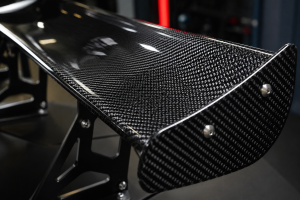
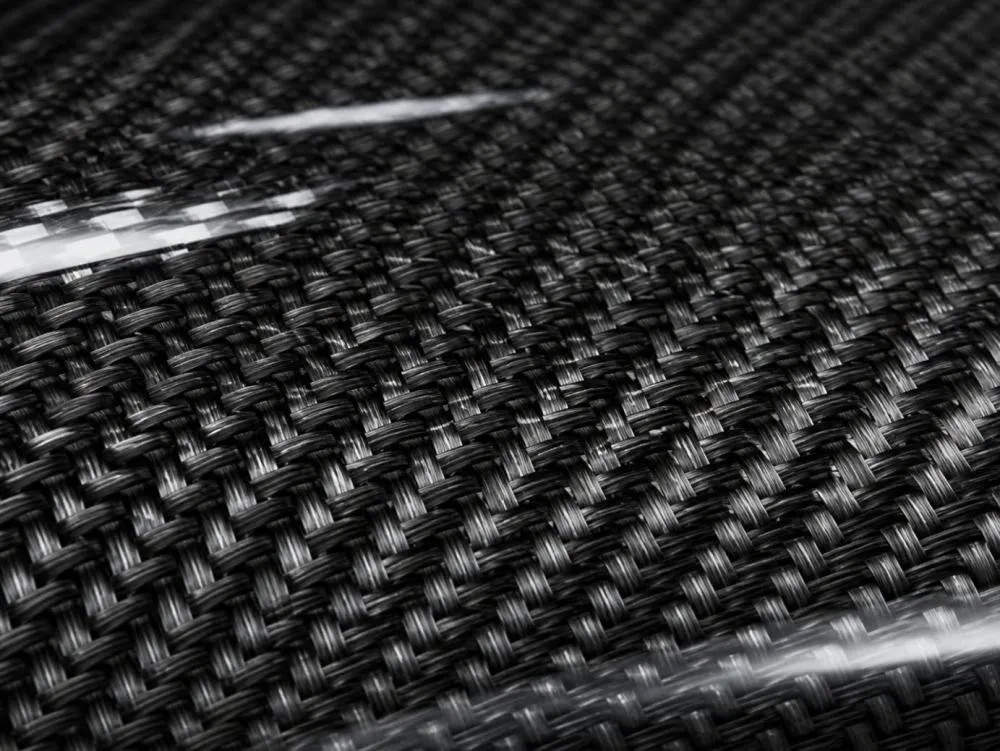
The main reason many buyers look for a carbon fiber rear spoiler is the combination of low weight, visual depth, and motorsport association. Carbon fiber has a distinctive woven pattern that catches light differently from painted plastic, fiberglass, or aluminum. On modern performance and luxury vehicles, that pattern can complement other trim pieces such as mirror caps, diffusers, splitters, engine covers, and interior accents. When the part is installed cleanly, it can look intentional rather than aftermarket.
Carbon fiber also carries a strong emotional value. It suggests precision, speed, and exclusivity, even when the car is being driven calmly on the street. For a B2C buyer, that may mean a more exciting ownership experience every time the car is approached from behind. For a B2B buyer such as a repair facility, reseller, body shop, or specialty garage, it may mean finding a desirable part that helps complete a premium repair or upgrade with the right level of visual quality. In both cases, the goal is not just to buy a spoiler. The goal is to buy the correct spoiler for the vehicle, the customer, and the expected finish.

Factory style versus aftermarket look
Some buyers want a subtle factory-style appearance, while others prefer a more aggressive profile. A carbon fiber rear spoiler can sit low and clean on the trunk lid, extend from a rear hatch, or form part of a larger aerodynamic package. The best choice depends on the car’s design. A grand touring Bentley may call for something restrained, while a Lamborghini may suit a sharper and more dramatic visual statement.
Before buying, compare the spoiler shape with the original body lines. Look at the roofline, rear bumper, diffuser, exhaust layout, and taillight shape. A luxury car often has carefully balanced proportions, and a mismatched spoiler can make the rear end look disconnected from the rest of the vehicle. This is why used OEM and model-specific parts are often attractive: they may be closer to the intended design language than a universal accessory.
How to choose a carbon fiber rear spoiler
Choosing a carbon fiber rear spoiler starts with fitment. Model year, trim level, body style, and market version can all affect compatibility. A part that fits one coupe may not fit a convertible. A spoiler from a facelift model may use different mounting points than the earlier version. Even within the same brand, the shape of the decklid or hatch can change enough to make a visually similar part unusable. Buyers should verify part numbers where possible, compare photos carefully, and confirm whether the spoiler attaches with bolts, adhesive, clips, brackets, or a combination of methods.
Condition is just as important. Carbon fiber can look beautiful, but it should be inspected for cracks, delamination, deep scratches, cloudy clear coat, broken tabs, chipped edges, previous repairs, and signs of poor storage. A glossy finish may hide small defects in bright photos, so request or review images from multiple angles. Pay attention to the underside as well. The underside often reveals mounting damage, stress marks, or repaired sections that are not visible from the top. A used part does not need to be perfect to be valuable, but the condition should match the buyer’s expectations and the intended use. A body shop may be comfortable refinishing clear coat, while a retail buyer may prefer a cleaner part that can be installed with minimal cosmetic work.
It is also smart to think about the rest of the car. If the vehicle already has gloss carbon fiber accents, a gloss spoiler may match well. If the car has matte trim or satin black details, a high-gloss carbon part might stand out more than intended. The weave pattern can matter too, especially on high-end vehicles where symmetry and finish are part of the appeal. A carbon fiber rear spoiler should feel like it belongs on the car, not like it was selected only because it was available.
Questions to ask before buying
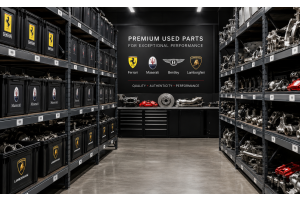
Ask whether the part is original equipment, model-specific aftermarket, or universal. Ask which vehicle it came from, whether hardware is included, and whether the part has been repaired or refinished. If you are shopping by brand, browsing relevant category and marque pages can help narrow the search. Start with used luxury-car parts categories, or explore brand-specific inventories such as Ferrari parts, Maserati parts, Lamborghini parts, and Bentley parts when the spoiler needs to match a specific vehicle family.
Used luxury parts and value
A used carbon fiber rear spoiler can be a practical option for buyers who want premium materials without automatically choosing a new replacement part. This can be especially relevant for discontinued models, limited trims, or vehicles where new carbon components are expensive, delayed, or difficult to source. Used parts can also be useful for restoration projects, insurance repairs, dealer reconditioning, and enthusiast upgrades where originality and fitment are important.
For B2B buyers, speed and certainty can be just as valuable as price. A repair shop may need a spoiler that helps finish a vehicle on schedule. A reseller may be looking for desirable carbon components with strong demand. A performance specialist may need a clean part that can be paired with other exterior upgrades. For B2C buyers, the decision is often more personal. The spoiler has to look right, feel special, and justify the investment every time the car is seen in the garage or on the road. In all of these cases, used luxury-car parts should be evaluated with the same level of seriousness as new parts: fitment, condition, source vehicle, and finish all deserve attention.
Where dismantled vehicles help
When a part comes from a dismantled luxury vehicle, buyers may be able to better understand its origin and intended application. Looking through dismantled vehicles can be useful when trying to match a component to a particular model, year, or trim. If a buyer is unsure whether a carbon fiber rear spoiler is the right match, the safest move is to compare details carefully and use the seller’s available contact options before purchasing.
You can also search directly for current inventory using a relevant search term such as carbon fiber rear spoiler. Search queries can be adjusted depending on the vehicle and part type, for example “carbon fiber wing,” “rear spoiler,” or a specific brand and model.

Installation and finish considerations
Installation should be handled with care. A carbon fiber rear spoiler may require precise alignment, clean mounting surfaces, correct hardware, and careful sealing. If drilling is involved, measurements must be exact because a mistake can damage an expensive trunk lid or hatch. Adhesive-mounted spoilers also require proper surface preparation, temperature conditions, and curing time. Buyers should not assume that every spoiler installs the same way.
Finish work matters too. Carbon fiber is often protected by a clear coat, and that finish can fade, yellow, or chip over time. Minor cosmetic flaws may be acceptable for some projects, especially if the part will be refinished before installation. However, structural damage is a different issue. Cracks through the carbon, weakened mounting areas, or separation between layers can affect durability. When in doubt, have a qualified body shop or carbon specialist inspect the part before fitting it to a high-value vehicle.
Final thoughts for smart buyers
A carbon fiber rear spoiler can be a small part with a big effect. It can sharpen the rear design, complement other exterior details, and give a luxury car a more performance-focused presence. The best purchase is not always the most aggressive-looking option, and it is not always the cheapest one. The best purchase is the part that fits correctly, matches the car’s character, and arrives in a condition that works for the buyer’s project.
Whether you are an enthusiast upgrading a personal vehicle or a business sourcing parts for customers, take time to compare fitment, finish, and condition before committing. For questions about available parts or compatibility, use the contact page to get more information before making a decision.