
Why carbon fiber auto parts matter
Carbon fiber auto parts sit at the intersection of performance, design, and modern luxury-car engineering. For many buyers, the appeal starts with the look: the woven pattern, the gloss finish, and the immediate association with motorsport-grade materials. But the value of carbon fiber goes beyond appearance. In high-end vehicles, carbon fiber components may help reduce weight, support aerodynamics, refine cabin styling, or preserve the original character of a performance-focused build. That is why carbon fiber auto searches are common among owners, repair shops, body specialists, restorers, and dealers working with luxury models.
For B2C buyers, the goal is often personal: bring a damaged car back to a premium standard, replace a worn trim piece, or upgrade a vehicle with parts that feel more special. For B2B buyers, carbon fiber auto sourcing is usually about speed, accuracy, margin control, and customer satisfaction. A body shop may need an exterior panel. A specialist workshop may need interior trim. A dealer may want a clean replacement part that fits the expectations of a luxury-car customer. In each case, understanding what carbon fiber is, where it appears on premium vehicles, and what to check before buying can make the process far more efficient.
Where carbon fiber appears on luxury cars
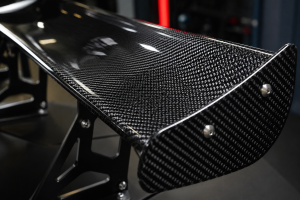
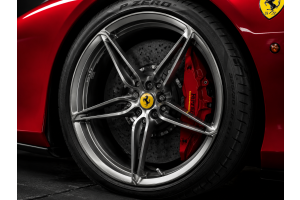
Carbon fiber is used across many areas of performance and luxury vehicles. Some applications are functional, some are visual, and many are both. Exterior parts can include spoilers, mirror caps, diffusers, side skirts, hoods, roof panels, front splitters, and wheel-related trim. Interior parts can include dashboard trim, center consoles, door inserts, steering wheel details, paddle surrounds, and seat-back shells. The exact application depends on the vehicle, model year, package, and factory options.
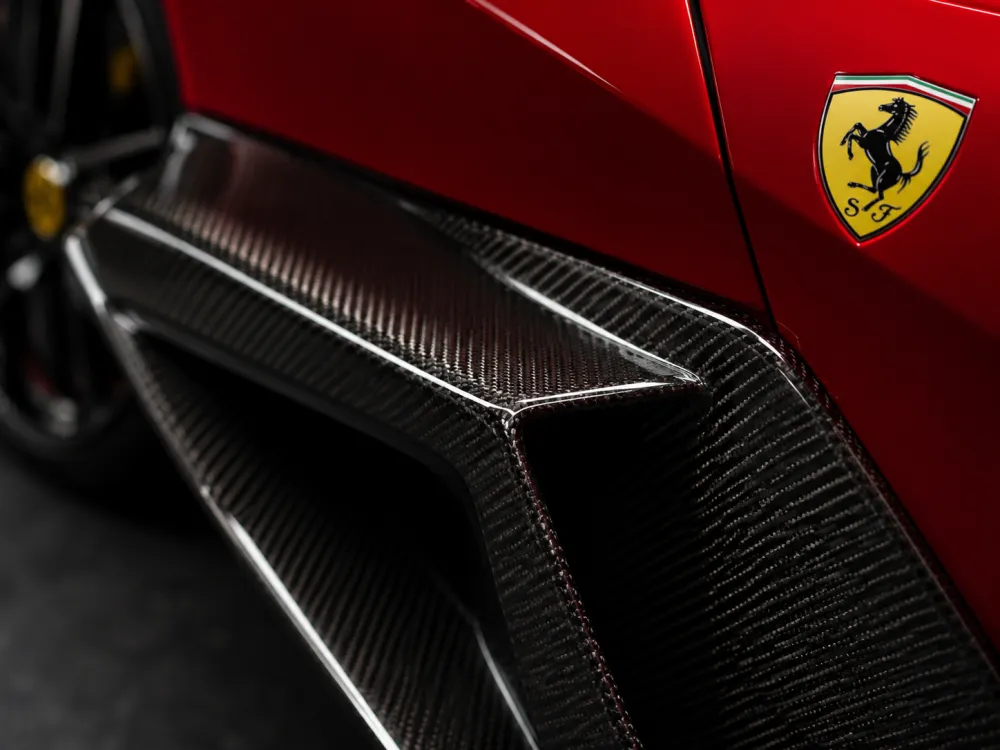
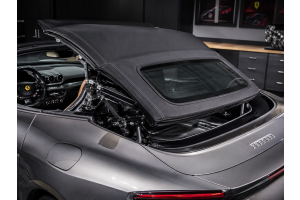
On brands such as Ferrari, Lamborghini, Maserati, and Bentley, carbon fiber often signals a more focused specification. A Ferrari may use carbon fiber to highlight performance intent, while a Lamborghini may pair it with angular design language and dramatic aero details. Maserati applications may lean toward a blend of sport and grand touring elegance, while Bentley carbon fiber trim can create a more contemporary contrast inside a refined luxury cabin. Buyers can browse brand-specific starting points such as Ferrari parts, Lamborghini parts, Maserati parts, and Bentley parts when planning a search.
Exterior carbon fiber parts
Exterior carbon fiber auto components are often among the most visible and most expensive parts to replace. A cracked splitter, damaged diffuser, scuffed mirror cap, or broken spoiler can affect the entire presentation of a luxury car. Because these parts are exposed to road debris, curb contact, weather, washing, and everyday use, condition matters. Buyers should look closely for cracks in the clear coat, broken mounting tabs, delamination, deep scratches, missing hardware, and signs of previous repair. Even a part that looks excellent in a photo should be checked against the vehicle’s exact year, model, trim, and option package before purchase.
Interior carbon fiber parts
Interior carbon fiber parts are more protected, but they still require careful evaluation. Trim pieces may have broken clips, scratches, fading, cloudy clear coat, or damage around mounting points. Because cabin parts sit close to leather, buttons, screens, switches, and stitching, a small mismatch can be noticeable. This is especially true in luxury cars where the customer expects the finished result to feel intentional and factory-correct. Carbon fiber auto interior trim should be reviewed for weave direction, finish type, gloss level, and compatibility with surrounding materials.
How to evaluate used carbon fiber parts
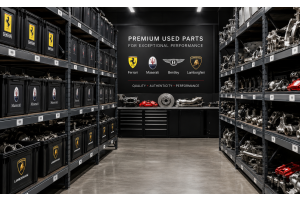
Used carbon fiber can be an excellent option when the right part is found in the right condition. The main advantage is access. New carbon fiber parts for exotic and luxury cars may be expensive, delayed, discontinued, or difficult to source through ordinary channels. Used parts from dismantled luxury vehicles can help buyers locate specific components without waiting for a long factory lead time. For a broader starting point, buyers can explore luxury-car part categories or review available dismantled vehicles when matching components to a repair or restoration plan.
The first step is fitment. Carbon fiber auto parts are often shaped with tight tolerances, and small differences between model years or trims can matter. A front splitter for one variant may not fit another. A door trim piece may depend on left-hand or right-hand placement, interior package, speaker configuration, or switch layout. A spoiler may require a specific trunk lid, mounting pattern, or factory aero package. Before buying, compare part numbers when available, review photos carefully, and confirm the vehicle details. For professional buyers, this step protects labor time. For private owners, it helps prevent frustration and unnecessary returns.
The second step is condition. Carbon fiber can look strong and premium, but the finish deserves close attention. Surface scratches may be acceptable for some repair projects, while structural cracks or broken mounts can make a part unsuitable. Clear coat haze, fading, chipped edges, and exposed weave should all be considered. Buyers should also distinguish cosmetic imperfections from deeper damage. A light scuff may be refinished by a skilled specialist, while delamination or impact fractures can be more serious. In the carbon fiber auto market, the best value is not always the lowest price; it is the part that solves the repair correctly with the least risk.

Why used carbon fiber can make sense
Luxury-car repair is often a balance between quality, cost, time, and authenticity. Used carbon fiber parts can support that balance when they are carefully selected. For example, a shop repairing a Ferrari or Lamborghini may prefer a genuine used component over a generic aftermarket replacement if the goal is to preserve fit, finish, and original design language. A private owner may choose a used Bentley or Maserati trim piece because it matches the vehicle better than a newly fabricated alternative. In both cases, carbon fiber auto sourcing becomes a practical strategy, not just a cosmetic decision.
There is also an efficiency argument. When a car is waiting on one visible carbon fiber part, the entire project can stall. Bodywork may be complete, paint may be finished, and mechanical repairs may be done, but the vehicle cannot be delivered at the expected standard without the missing component. For B2B buyers, that delay affects bay space, customer communication, and cash flow. For owners, it delays the satisfaction of getting the car back on the road. Searching targeted inventory, including specific terms through the site search such as carbon fiber auto parts, can help narrow the process.
Common buying mistakes to avoid
One common mistake is shopping by appearance alone. Carbon fiber parts often look similar across related models, but the attachment points, dimensions, curves, and finish details may differ. Another mistake is ignoring the difference between cosmetic carbon fiber trim and structural carbon fiber components. A cabin insert and an exterior aero part have different requirements, different stress levels, and different inspection priorities. Buyers should also avoid assuming that all gloss carbon fiber is identical. The weave pattern, coating, edge finish, and factory package can all influence whether the part looks correct once installed.
Another issue is overlooking shipping and handling needs. Carbon fiber can be lightweight, but many parts are still fragile because of their shape, finish, or mounting tabs. Long splitters, diffusers, spoilers, and trim rails need careful packaging to reduce the risk of transit damage. For shops and resellers, it is worth considering the total landed cost, not only the listed price. A carbon fiber auto part that arrives damaged or incomplete can cost more in time than it saves in purchase price. When in doubt, gather details before ordering and use the contact page for questions that need confirmation.
How carbon fiber supports the luxury ownership experience
Carbon fiber has become part of the emotional language of modern performance cars. It communicates precision, speed, and craftsmanship. On a Ferrari, it can reinforce the connection between road car and racing heritage. On a Lamborghini, it can sharpen an already dramatic design. On a Maserati, it can bring a more athletic edge to grand touring elegance. On a Bentley, it can give a traditional luxury cabin a more contemporary performance feel. This is why carbon fiber auto components are not just replacement parts; they are part of how the car feels to own, drive, sell, and present.
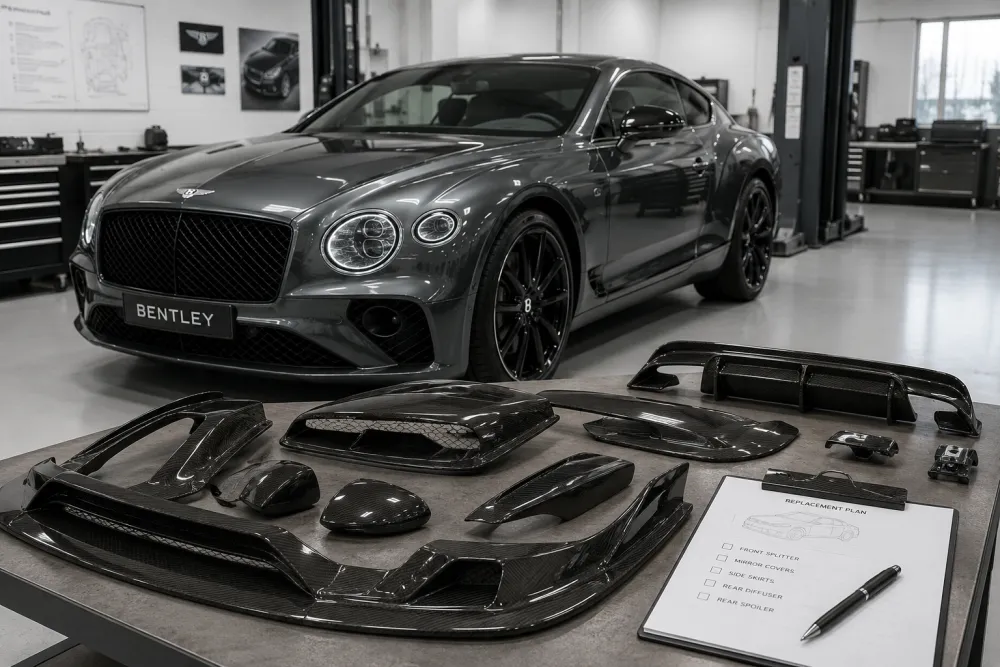
That matters for resale as well. Buyers of used luxury cars often notice details. A damaged diffuser, mismatched dashboard insert, or missing carbon fiber trim piece can reduce confidence in the vehicle, even if the mechanical condition is strong. A carefully matched replacement can help restore the impression of care and completeness. For dealers and workshops, that impression has commercial value. For owners, it preserves pride of ownership. Carbon fiber auto parts can therefore play a role in both practical repair and overall vehicle presentation.
Building a smarter sourcing process
A strong sourcing process starts with the vehicle identification details, then moves to part category, location on the vehicle, finish, side, condition, and urgency. Buyers should document the model year, exact trim, VIN when useful, current part photos, damaged area photos, and any visible part numbers. This helps reduce confusion when comparing options. It also makes communication easier if a specialist needs to verify compatibility.
For repeat B2B buyers, it can help to build internal notes for common carbon fiber auto requests. Shops that regularly work on Ferrari, Maserati, Lamborghini, or Bentley vehicles may see recurring needs for mirror caps, splitters, diffusers, interior trim, and wheel-related details. Tracking which parts are most often damaged, which models have similar-looking but incompatible components, and which finishes require extra inspection can improve buying decisions over time. Private buyers can use a simpler version of the same process: know the car, know the part, review condition, confirm fitment, and avoid rushing a purchase based only on price.
Final thoughts on carbon fiber auto sourcing
Carbon fiber auto parts combine beauty, engineering, and precision. They can transform how a luxury car looks, how complete it feels, and how confidently a repair comes together. Whether the need is a Ferrari exterior detail, a Lamborghini aero piece, a Maserati interior accent, or a Bentley cabin trim component, the best results come from careful matching and realistic condition review.
For buyers who want a practical next step, begin with the relevant brand or category, compare the available options, and prepare the details needed to confirm fitment. Carbon fiber auto sourcing works best when it is specific, patient, and quality-focused. The right used part can help preserve the character of a luxury vehicle while supporting a smarter repair or restoration plan.